

Greetings from the President
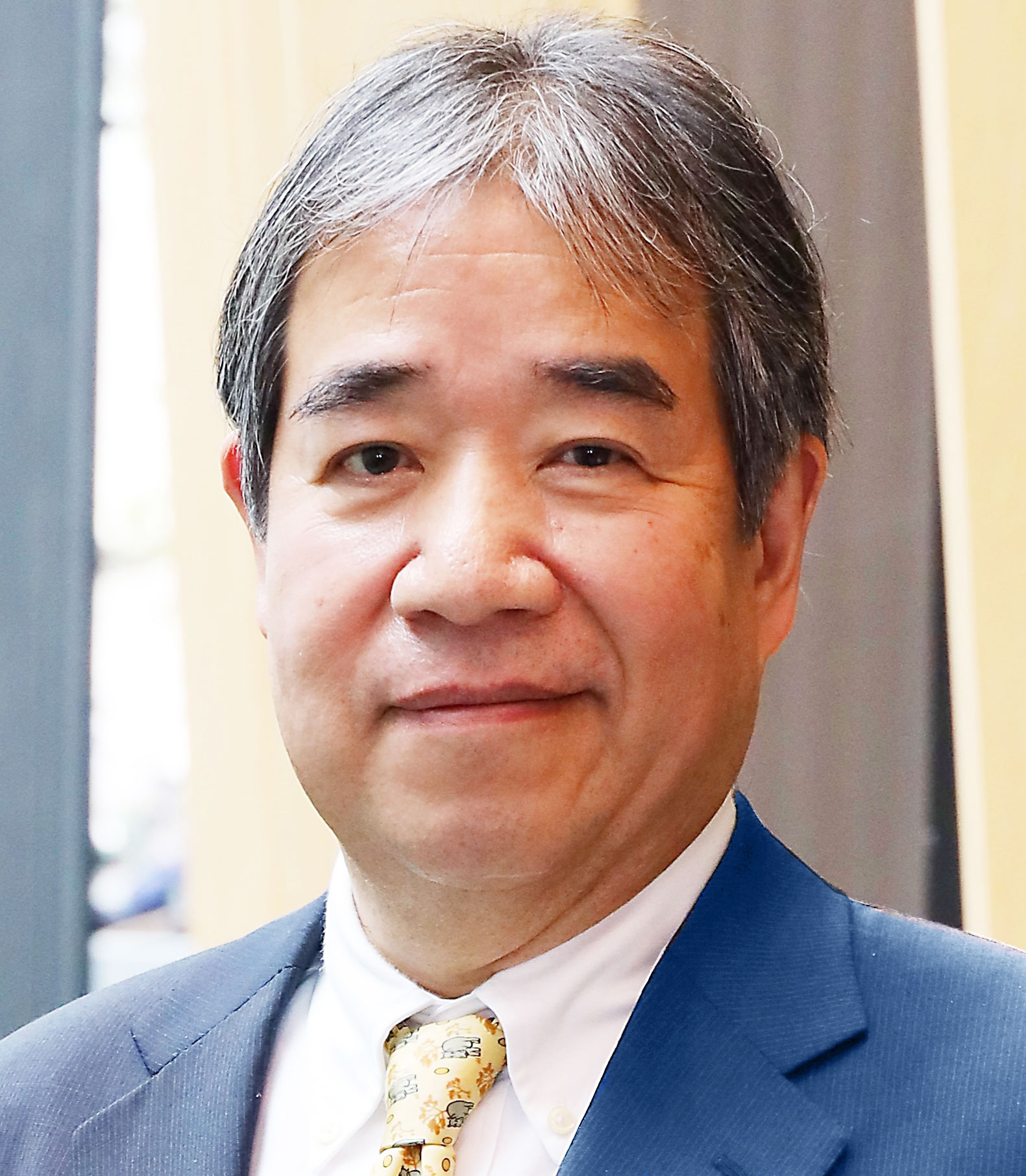
Founded as a hub for cancer treatment and research by the Japanese government in 1962, the National Cancer Center has led the nation's cancer medicine and research ever since. The Center was designated an Incorporated Administrative Agency in April 2010, then subsequently a National Research and Development Agency in April 2015, with a renewed commission to explore and address issues, complementing academia and the private sector. To serve as a nucleus of clinical research and development, the Hospital (Tsukiji campus) and Hospital East (Kashiwa campus) were designated as core hospitals for clinical research respectively in August and September of 2015, since when they have been leading world class clinical research and investigator-initiated trials. Further, in 2018, both hospitals were designated as Core Hospitals for Cancer Genomic Medicine, and the Center for Cancer Genomics and Advanced Therapeutics (C-CAT) was established within our Center. Thus, we are truly leading the cancer genomic medicine platform in Japan.
Currently, one in every two Japanese citizens will develop cancer in their lifetime. Nearly one million people are newly diagnosed with cancer every year, and as the population ages, we expect cancer patient numbers to increase. The mission of the National Cancer Center is not only to develop novel modalities for cancer treatments and measures for cancer prevention originating from Japan, but also to induce world’s cutting-edge treatment strategies to Japanese cancer patients. For these aims, we must both possess highly original research capabilities and become an international drug development hub. Therefore, it is essential to elucidate traits and diversity of cancer in individuals through integrated omics research including genomic and immunological analyses. It is also essential to establish drug development-oriented bioresources and to propel a large platform for international clinical trials. Furthermore, large-scale, multidisciplinary studies for cancer prevention should be conducted to actualize cancer precision prevention.
In 2019, Japan started cancer genomic medicine under the universal health coverage. Genomic and clinical information of the cancer patients who undergo cancer gene panel testing is aggregated in C-CAT, and subjected to be utilized for advancing cancer care. The number of such cases surpassed 100,000 at the end of fiscal year 2024, making it one of the largest datasets worldwide. Since the C-CAT data has been already used in the drug application process in Japan, its importance will continue to grow across a variety of applications.
Regarding issues related to novel cancer countermeasures and policy recommendations, we must pool the wisdom and experience of our experts, and work together across the organization. We will collaborate with each division within our National Cancer Center to contribute to building a national cancer care system and social infrastructure that enable cancer patients and their families to sustain hope in Japan.
Hiroyuki Mano, M.D., Ph.D.
President
National Cancer Center