

Annual Report 2024
Department of Breast Surgery
Shin Takayama, Sho Shiino, Takeshi Murata, Chikashi Watase, Hinako Maeda, Ayako Nakashoji, Ayumi Ogawa, Hiromi Hashiguchi, Natsuko Ogi
Introduction
The Department of Breast Surgery mainly deals with surgical treatment of breast cancer, as well as diagnosis of breast diseases, postoperative adjuvant endocrine therapy and surveillance after surgery. In fiscal 2024, we performed a total of 808 operations on breast diseases (Table 1, Table 2). Breast conserving surgery such as breast partial resection (Bp) or Radiofrequency Ablation (RFA) accounted for 37% (267 of 736) of total breast surgeries for primary breast cancer in our department in 2024, and the breast conserving rate has been constant in recent years. A total of 127 immediate breast reconstructions were performed in fiscal 2024 comprising 27% of all mastectomies. 22 of 127 were tissue expander (TE) insertions, and 105 autologous reconstructions (96 DIEP: deep inferior epigastric perforator flap; 9 LD: latissimus dorsi muscle flap) were performed (Table 3). We perform these reconstruction surgeries in cooperation with plastic surgeons depending on patients' needs.
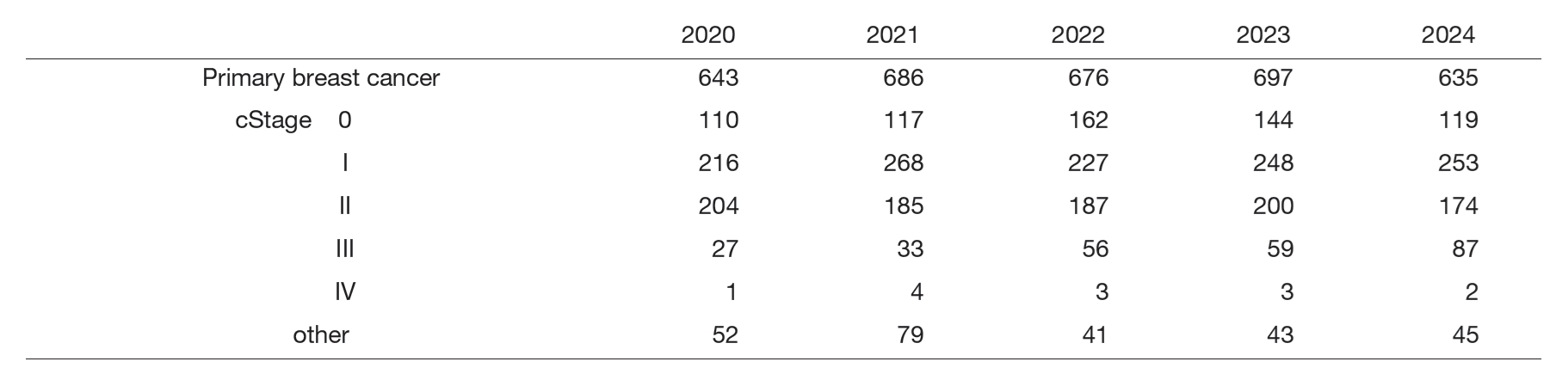
Table 2. Type of procedure (breast surgery)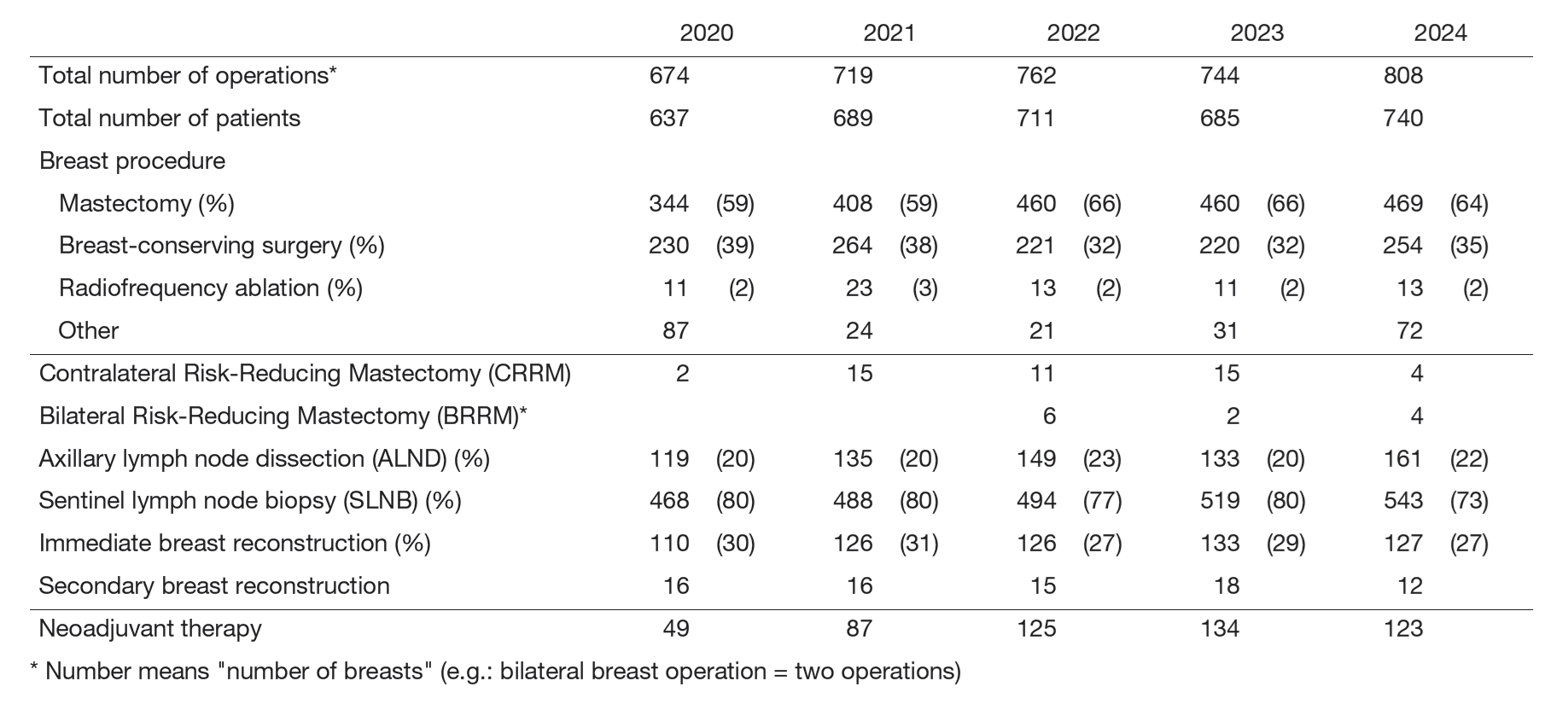
Table 3. Type of procedure (reconstruction surgery)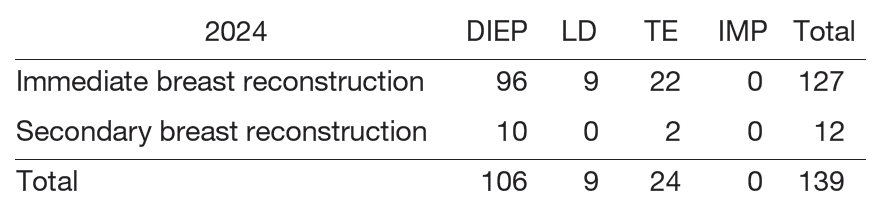
The new less-invasive technique, RFA, is one of the topics of our surgeries. RFA is a new treatment that ablates tumors using electro-radio waves. The advantages of RFA include reduced physical burden on the patient, lower morbidity, lower operating time and avoiding breast deformation after surgery. Recently, RFA has become one of the standard treatment choices for early breast cancer. In fiscal 2024, 13 RFAs were performed in our hospital. We also started performing single port endoscopic nipple-sparing mastectomy (E-NSM) for early breast cancer, and in fiscal 2024, 4 E-NSMs were performed in our hospital.
We also focus on extended surgery. For example, for ulcerating breast cancer with distant metastasis and bulky breast cancer judged to be unresectable at another hospital, we perform palliative breast resection with or without reconstruction as much as possible for the purpose of local control. We performed 2 salvage surgeries in fiscal 2024. We are actively working to improve not only the patient's survival but also the patient's QOL.
The Team and What We Do
Our department is comprised of seven surgeons specializing in breast cancer (Dr. Takayama, Shiino, Dr. Murata, Dr. Watase, Dr. Maeda, Dr. Nakashoji, and Dr. Ogawa), two residents (Dr. Hashiguchi and Dr. Ogi). From around 8:00 every morning, all the staff and residents have a meeting. Weekly pre-operative and neo-adjuvant conferences are held on Mondays from 17:00 to 19:00. At the conferences, we share discussions with surgeons, and the diagnostic images are reviewed for every pre-operative patient. Every Friday from 7:50 to 8:20, we hold a journal club or research progress and share the most up-to-date knowledge on breast oncology. A breast pathology/imaging conference is held irregularly to discuss problems with diagnostic imaging, as well as pathologically interesting cases. A conference about studies, institutional treatment guidelines, and recent topics regarding breast cancer is also held irregularly by a multidisciplinary team. Treatment guidelines for primary and metastatic breast cancer have been regularly updated through this multidisciplinary discussion since 2003. We perform surgeries from Monday to Friday; there are usually 14 to 16 cases of breast cancer in a week. Table 1 shows the total number of patients with primary breast cancer (including breast primary sarcoma) and other breast diseases. The types and number of operative procedures are shown in Table 2.
Research Activities
- A study on the construction of a prediction model for postoperative prognosis of breast cancer by machine learning using Japanese patients' data.
- A study on the prognostic impact of progesterone receptor status of isolated locoregional recurrence of breast cancer.
- A study on the prognostic importance of progesterone receptor-low-positive status in pre- and post -menopausal breast cancer patients.
- A multicenter study on learning and diagnostic accuracy of breast ultrasound imaging by Artificial Intelligence.
- Metabolome analysis for breast cancer patients with neoadjuvant chemotherapy.
- Evaluation of contralateral breast cancer risk factors in breast cancer patients with BRCA pathogenic variants.
- Clinical experience of an outpatient clinic specializing in hereditary breast and ovarian cancer (HBOC) and clinicopathological trends of patients with pathogenic variants in BRCA1/2.
- Clinical experience of patients with Li-Fraumeni syndrome with a history of breast cancer patients in our institution and the role of the LFS board.
- Validation of an easy-to-use scoring system that distinguishes between non-advanced and advanced axillary lymph node metastasis in breast cancer patients with positive sentinel lymph nodes.
Clinical Trials
- A randomized controlled trial comparing primary tumor resection plus systemic therapy with systemic therapy alone in metastatic breast cancer (JCOG1107, PRIM-BC)
- Intensive versus standard post-operative surveillance in high-risk breast cancer patients (JCOG1204, INSPIRE Trial)
- Single-arm confirmatory trial of endocrine therapy alone for estrogen positive, low-risk ductal carcinoma in situ of the breast (Low-risk DCIS with endocrine therapy alone-TAM) (JCOG1505, LORETTA Trial)
- Avoid Mastectomy Using Trastuzumab, Pertuzumab and Radiation Study for Breast Cancer (JCOG1806, AMATERAS-BC)
- Asian multicenter prospective study in HER2 positive early breast cancer for detecting minimal residual disease by circulating tumor DNA analysis with neoadjuvant chemotherapy (HARMONY study)
- Feasibility study on the safety and efficacy of a new axillary reduction surgery (tailored axillary surgery, TAS) in patients with axillary lymph node-positive primary breast cancer
- A Phase III Clinical Trial Evaluating DE-escalation of Breast RAdiation (DEBRA) for Conservative Treatment of Stage I, Hormone Sensitive, HER2-Negative, Oncotype Recurrence Score 18 Breast Cancer" (NCT04852887, NRG-BR007)
- A randomized trial for OLIGo metastases breast cAncer with or without Metastasis-dIrected therapy (JCOG2110, OLIGAMI).
- Sustainable and efficient platform of new therapeutic development for breast cancer (JCOG2205, S-FACT)
- Randomized phase III trial for evaluating the efficacy of adjuvant abemaciclib in patients with locoregional recurrence of hormone receptor-positive, HER2-negative breast cancer (JCOG2313, AURA).
- Smartphone-based distress screening, information provision, and psychotherapy for reducing psychological distress among AYA cancer survivors: protocol for a fully decentralized muti-center randomized controlled clinical trial
- Safety and Efficacy of Acupuncture in Breast Cancer Survivors with Post-Mastectomy Pain Syndrome (ABC-1 study)
- A single-arm exploratory study for the efficacy and safety of acupuncture in patients with taxane-induced peripheral neurotoxicity (ACT-1 study)
Education
Our department provides cancer specialty trainees and residents with ample opportunities to serve as primary surgeons in numerous cases under the guidance of staff physicians. We ensure that residents, from their initial year through to chief residency, can sufficiently achieve the required number of surgeries (100 as primary surgeon) for obtaining breast surgery certification. Furthermore, for physicians who find long-term training difficult, we accept them as short-term residents, devising ways to enable them to bring back sufficient knowledge and experience to their local practice after a brief training period. In fiscal year 2024, one cancer specialist trainee and one specialist trainee were enrolled, achieving substantial training outcomes.
Future Prospects
Clinically, we aim to strengthen hospital-clinic collaboration and foster talent development. Research-wise, we seek to lead multi-institutional collaborative studies to generate new evidence. Regarding surgery, we are preparing to initiate a multi-center, prospective observational study on the safety and efficacy of robot-assisted nipple-sparing mastectomy for early-stage breast cancer patients. To this end, we are establishing the necessary infrastructure within our hospital for the introduction of robot-assisted nipple-sparing mastectomy using the da Vinci SP surgical system starting in October 2025. Furthermore, we are planning to conduct a prospective trial evaluating the efficacy of local treatment selection based on molecular residual disease (MRD) assessment using ctDNA assays and clinical data in the JCOG Breast Cancer Group. Additionally, we are planning to participate in a multicenter collaborative study (NRG-BR009 trial) comparing the treatment outcomes of chemotherapy versus ovarian function suppression plus aromatase inhibitor therapy for hormone receptor-positive, HER2-negative premenopausal breast cancer.
List of papers published in 2024
Journal
1. Kitadai R, Yazaki S, Kuchiba A, Yamanaka T, Shiino S, Yamauchi C, Harano K, Saito M, Hirotsu Y, Aiba H, Yoshida T, Hamamoto R, Shimizu C, Shimomura A, Kojima Y, Shimoi T, Momozawa Y, Sudo K, Yoshida M, Sunami K, Hori M, Katanoda K, Shimada Y, Yamashita Y, Kogawa T, Murata T, Fujiwara S, Miyagi Y, Nakagomi H, Tachibana K, Omata M, Ohtake T, Suto A, Onishi T, Naito Y, Yamashita T, Yonemori K, Kohno T, Shiraishi K. Germline Pathogenic Variants and Clinical Outcomes in Asian Patients With Breast Cancer. Cancer Sci. 2025 Apr;116(4):1048-1058. doi: 10.1111/cas.70002. Epub 2025 Feb 10. PMID: 39930910; PMCID: PMC11967260.