

Annual Report 2024
Department of Diagnostic Radiology
Masahiko Kusumoto, Miyuki Sone, Hirokazu Watanabe, Mototaka Miyake, Shunsuke Sugawara, Kimiteru Ito, Yuko Kubo, Chihiro Itou, Sachiko Nakano, Nao Kikkawa, Shintaro Kimura, Hiromitsu Hiruma, Kaori Fuse, Sawako Kaku, Takumi Oshima, Mizuki Ozawa, Kenichiro Ogane, Rakuhei Nakama
Introduction
The Department of Diagnostic Radiology at the National Cancer Center continues to advance diagnostic imaging, interventional radiology (IR), and nuclear medicine with the goal of providing precise and individualized cancer care. In 2024, imaging volumes showed significant growth compared to 2019, reflecting increased demand and enhanced clinical integration. Our department actively incorporates state-of-the-art technologies, including AI-assisted imaging and advanced reconstruction methods, while collaborating closely with clinical departments to optimize patient outcomes.
The Team and What We Do
In the Imaging Diagnostics Division, the number of imaging examinations in fiscal year 2024 was 62,619 for CT, 11,926 for MR, and 5,091 for mammography, showing a significant increase over the past five years (Figure 1). We have specialists in each field on staff who practice specialized interpretation across a broad range of areas, including the chest, hepatobiliary-pancreatic system, bones and soft tissues, the central nervous system, gynecology, urology, the gastrointestinal tract, the head and neck, and hematological disorders. Furthermore, AI-based diagnostic support has been introduced to optimize and enhance the accuracy of imaging diagnoses.
Figure 1. Changes in the number of Diagnostic Imaging Examinations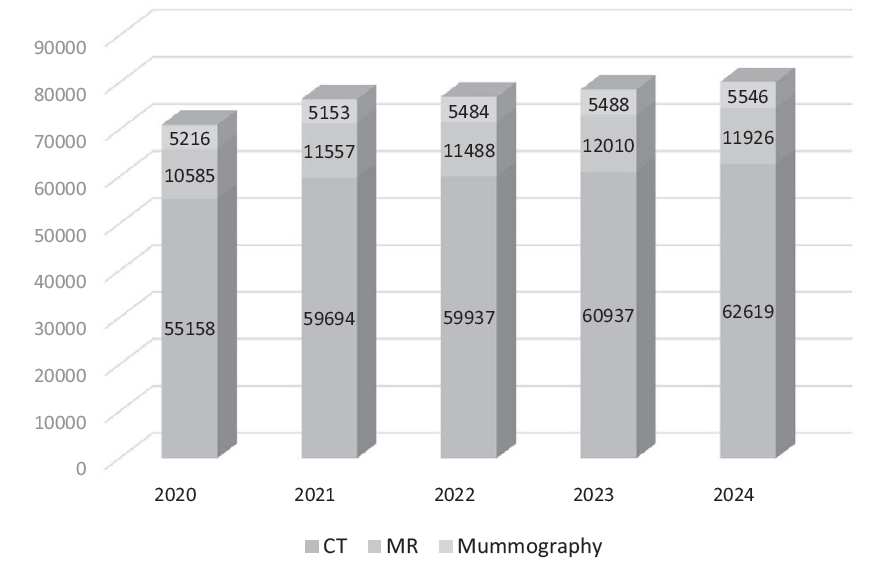
The Interventional Radiology (IR) Division operates four hybrid angio-CT systems and other advanced equipment to perform local anticancer therapies (cryoablation, radiofrequency ablation, microwave ablation, arterial chemoembolization) as well as palliative procedures (drainage, nerve block, bone cement, ascites shunt). A total of 8,061 procedures were performed in FY2024, reflecting a steady increase (Figure 2).
Figure 2. Changes in the number of IR procedures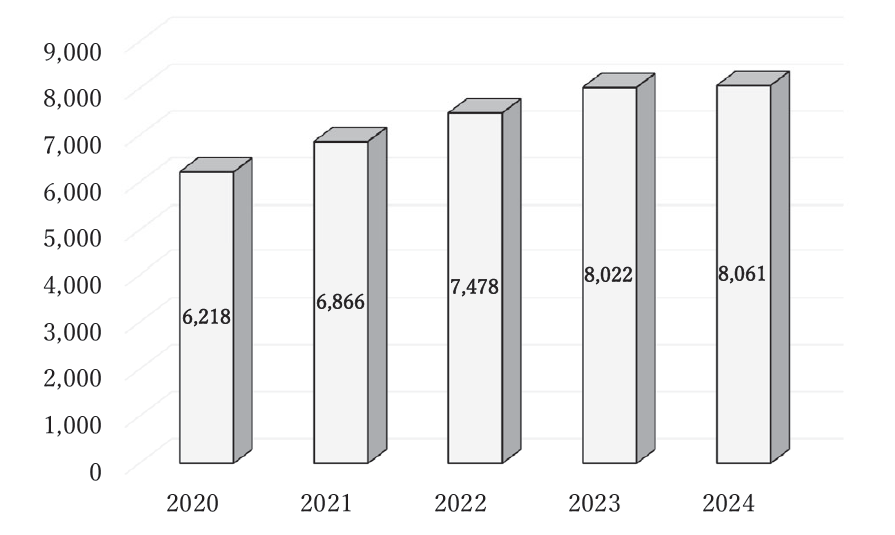
The Nuclear Medicine Division employs a broad multi-tracer PET/CT approach, including F-18 FDG, F-18 Fluciclovine, F-18 PSMA, F-18 FBPA, Ga-68 PSMA, Ga-68 DOTATATE, and Cu-64 ATSM. These tracers enhance tumor detection, enable therapeutic response prediction, and support theranostics by combining imaging with personalized radionuclide treatment. PET/MRI is applied to over 1,000 cancer cases annually, and internal radiotherapy with I-131 MIBG, Lu-177 DOTATATE, Ra-223 and other isotopes provides targeted oncologic care.
Figure 3. Changes in the numbers of Nuclear medicine division cases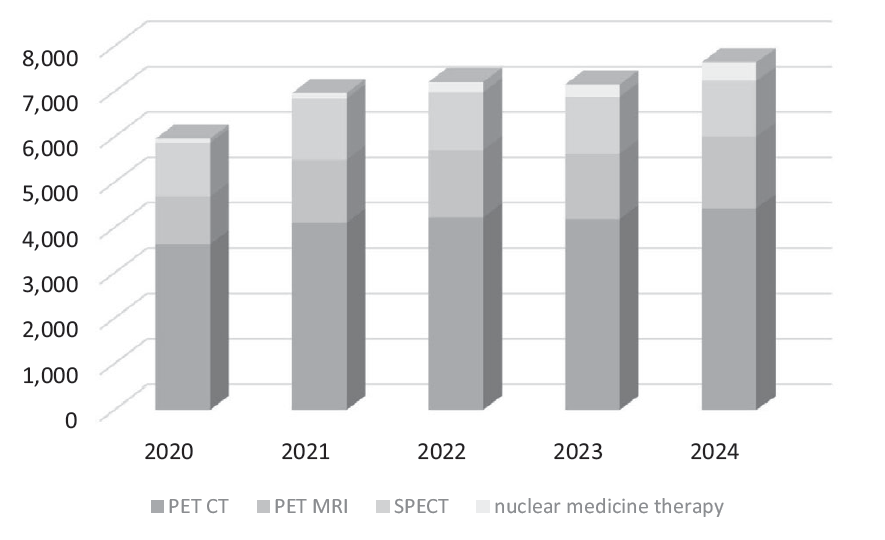
Table 1. Type of Percutaneous Interventional Radiology Procedure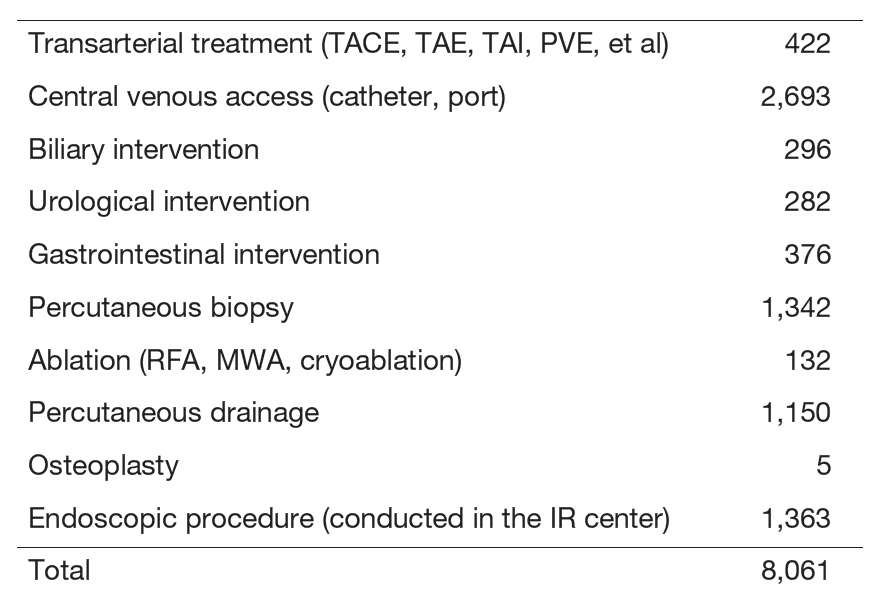
Research Activities
The Imaging Diagnostics Division conducts research on high-resolution CT, deep learning reconstruction, and the clinical utility of CT colonography as a minimally invasive tool for colorectal cancer screening. Findings are actively presented and published in international journals, establishing a solid academic foundation.
The IR Division has published English-language papers on topics such as percutaneous cytology screening prior to pancreatic surgery, biopsies of para-aortic lymph nodes and liver tumors, safety of sedation, gastrointestinal decompression techniques, and pediatric central venous port use.
Ongoing projects include investigations into the utility of 4D-CT in transarterial embolization before renal cryoablation, a prospective observational study on central venous port placement, development of software for feeder detection in transarterial therapy, and the application of 3D-roadmap techniques to non-vascular interventions. Endoscopic research focuses on stent safety and efficacy studies in gastrointestinal oncology.
The Nuclear Medicine Division advances theranostics and multi-tracer imaging to refine tumor characterization and therapeutic monitoring. PET/MRI and radionuclide therapy are central research areas, alongside clinical studies of novel radioisotopes such as Lutathera and Raiatt. International publications highlight the division’s leadership in integrating diagnostic and therapeutic nuclear medicine.
Clinical Trials
The Imaging Diagnostics Division is conducting clinical trials to optimize imaging protocols and enhance cancer screening strategies while minimizing radiation exposure.
The IR Division coordinates the Japan Interventional Radiology in Oncology Study Group (JIVROSG), with 115 institutions, and currently prepares new multicenter trials.
The Nuclear Medicine Division is leading six clinical trials, including studies on Lu-177 PSMA for oligometastatic prostate cancer, expanding both diagnostic and therapeutic applications of tracer-based oncology.
Education
Our department is deeply committed to education, research, and international collaboration. Each year, we host numerous trainees from both Japan and abroad, particularly in interventional radiology and nuclear medicine, where the demand for hands-on learning is high. We regularly organize research conferences, publish in international journals, and provide opportunities for young doctors to develop scientific writing and clinical research skills. Training programs also include education in advanced radionuclide therapies such as Lutathera, together with mentoring in clinical trial participation. By fostering the development of skilled radiologists capable of contributing on a global scale, we aim to cultivate the next generation of leaders who will advance both oncology imaging and therapeutic innovation.
Future Prospects
Our department will continue to advance AI-assisted imaging diagnostics, minimally invasive interventional procedures, and theranostics in nuclear medicine, integrating these fields to deliver highly personalized cancer care. By combining expertise across imaging, intervention, and radionuclide therapy, we aim to establish standardized protocols, expand collaborative multicenter trials, and foster innovations that directly benefit patients. At the same time, we will strengthen education and international training programs to address the shortage of specialists in Japan and cultivate the next generation of radiologists. Through these efforts, we strive to ensure that cutting-edge diagnostic and therapeutic techniques are widely available and contribute to the nationwide improvement of oncology care.
List of papers published in 2024
Journal
1. Tanishima T, Kurokawa R, Sone M, Nakai Y, Kusumoto M. Radiological features of pancreatic desmoid-type fibromatosis: a case series and systematic review. Abdominal radiology (New York), 50:839-850, 2025
2. Itou C, Sone M, Arai Y, Sugawara S, Kimura S, Onishi Y, Omori J, Koretsune Y. Percutaneous core needle biopsy for para-aortic retroperitoneal lesions: impact of size and location on diagnostic accuracy of computed tomography-guided biopsy and feasibility of ultrasound guidance. Clinical radiology, 80:106723, 2025
3. Kimura S, Sone M, Sugawara S, Itou C, Oshima T, Ozawa M, Nakama R, Murakami S, Matsui Y, Arai Y, Kusumoto M. Risk factors of non-diagnostic percutaneous liver tumor biopsy: a single-center retrospective analysis of 938 biopsies based on cause of error. Japanese journal of radiology, 43:696-705, 2025
4. Yamashige D, Hijioka S, Nagashio Y, Maruki Y, Komori Y, Kuwada M, Fukuda S, Yagi S, Okamoto K, Agarie D, Chatto M, Morizane C, Ueno H, Sugawara S, Sone M, Saito Y, Okusaka T. Metal stent versus plastic stent in endoscopic ultrasound-guided hepaticogastrostomy for unresectable malignant biliary obstruction: Large single-center retrospective comparative study. Digestive endoscopy, 37:117-129, 2025
5. Hamamoto R, Komatsu M, Yamada M, Kobayashi K, Takahashi M, Miyake M, Jinnai S, Koyama T, Kouno N, Machino H, Takahashi S, Asada K, Ueda N, Kaneko S. Current status and future direction of cancer research using artificial intelligence for clinical application. Cancer science, 116:297-307, 2025
6. Himoto Y, Kido A, Yamanoi K, Kurata Y, Morita S, Kikkawa N, Fukui H, Ohya A, Iraha Y, Tsuboyama T, Ito K, Fujinaga Y, Minamiguchi S, Mandai M, Nakamoto Y. Limited diagnostic performance of imaging evaluation for staging in gastric-type endocervical adenocarcinoma: a multi-center study. Japanese journal of radiology, 43:810-819, 2025
7. Yoshida H, Kikkawa N, Takigawa W, Uno M, Ishikawa M. Unveiling the swirl sign: A radiologic-pathologic correlation in deep angiomyxoma. Annals of diagnostic pathology, 75:152426, 2025
8. Ozeki Y, Honda-Kitahara M, Yanagisawa S, Takahashi M, Ohno M, Miyakita Y, Kikuchi M, Nakano T, Hosoya T, Sugino H, Satomi K, Yoshida A, Igaki H, Kubo Y, Ichimura K, Suzuki H, Masutomi K, Kondo A, Narita Y. Early progressive disease within 2 years in isocitrate dehydrogenase (IDH)-mutant astrocytoma may indicate radiation necrosis. Japanese journal of clinical oncology, 55:106-112, 2025
9. Sangro B, Kudo M, Erinjeri JP, Qin S, Ren Z, Chan SL, Arai Y, Heo J, Mai A, Escobar J, Lopez Chuken YA, Yoon JH, Tak WY, Breder VV, Suttichaimongkol T, Bouattour M, Lin SM, Peron JM, Nguyen QT, Yan L, Chiu CF, Santos FA, Veluvolu A, Thungappa SC, Matos M, Żotkiewicz M, Udoye SI, Kurland JF, Cohen GJ, Lencioni R. Durvalumab with or without bevacizumab with transarterial chemoembolisation in hepatocellular carcinoma (EMERALD-1): a multiregional, randomised, double-blind, placebo-controlled, phase 3 study. Lancet (London, England), 405:216-232, 2025
10. Igaue S, Nozaki R, Utsunomiya D, Kubo Y, Kubo K, Kurita D, Yamamoto S, Miyake M, Ishiyama K, Oguma J, Kato K, Daiko H. Treatment strategy involving docetaxel plus cisplatin and 5-fluorouracil followed by conversion surgery for locally advanced unresectable/borderline resectable esophageal squamous cell carcinoma. Diseases of the esophagus, 38:doae114, 2025
11. Takura K, Miyake M, Kikkawa N, Kato T, Nagata H, Takamizawa Y, Moritani K, Tsukamoto S, Matsui Y, Kanemitsu Y. Prognostic significance of the retroperitoneal surgical resection margin on computed tomography colonography in retroperitonealized colon cancer. Surgery, 180:109127, 2025
12. Tanishima T, Kurokawa R, Sone M, Kusumoto M, Abe O. Radiological features of desmoid-type fibromatosis: a two-institution retrospective study. European radiology, 35:1394-1404, 2025
13. Ohya A, Fukuzawa T, Himoto Y, Kido A, Tsuboyama T, Kikkawa N, Fukui H, Iraha Y, Ito K, Fujinaga Y. Age-related changes in the radiologic findings of lobular endocervical glandular hyperplasia: a multicenter study. Japanese journal of radiology, 43:985-994, 2025
14. Takeuchi T, Horinouchi H, Takasawa K, Mukai M, Masuda K, Shinno Y, Okuma Y, Yoshida T, Goto Y, Yamamoto N, Ohe Y, Miyake M, Watanabe H, Kusumoto M, Aoki T, Nishimura K, Hamamoto R. A series of natural language processing for predicting tumor response evaluation and survival curve from electronic health records. BMC medical informatics and decision making, 25:85, 2025
15. Ozawa M, Sone M, Sugawara S, Itou C, Kimura S, Kusumoto M, Matsui Y. Percutaneous cryoablation of renal tumors adjacent to critical structures: impact of adjacent organ type on local tumor control. Acta radiologica (Stockholm, Sweden : 1987), 66:487-493, 2025
16. Kawauchi D, Ohno M, Sugino H, Ito K, Fuse K, Yoshida A, Kubo Y, Honda-Kitahara M, Yanagisawa S, Ohmura T, Aoki T, Kawanishi A, Sakuramachi M, Igaki H, Narita Y. Utility of [18F]fluciclovine PET/MRI for identifying the optimal biopsy target region, helping to avoid underdiagnosis in patients with glioblastoma: illustrative case. Journal of neurosurgery. Case lessons, 9:CASE24677, 2025
17. Kawano S, Yoshida H, Kikkawa N, Kobayashi-Kato M, Tanase Y, Uno M, Ishikawa M. Underrecognized diagnostic discordance and delay in endometrial dedifferentiated and undifferentiated carcinoma. The journal of obstetrics and gynaecology research, 51:e16260, 2025
18. Kodama Y, Ueshima K, Moriguchi M, Inaba Y, Yamashita T, Iwamoto H, Ueno M, Ogasawara S, Kuzuya T, Kodama T, Sato Y, Tada T, Tsuchiya K, Nishiofuku H, Yamakado K, Sone M, Ikeda M, Takehara T, Hamano T, Kudo M. Protocol of the IMPACT study: randomized, multicenter, phase 3 study evaluating the efficacy of immunotherapy (Atezolizumab) plus anti-VEGF therapy (Bevacizumab) in combination with transcatheter arterial chemoembolization for unresectable hepatocellular carcinoma. BMC cancer, 25:434, 2025
19. Nakama R, Sone M, Sugawara S, Itou C, Kimura S, Ozawa M, Oshima T, Murakami S, Kusumoto M. Investigation of tube replacement cases of percutaneous transesophageal gastro-tubing in cancer patients. Japanese journal of radiology, 2025
20. Sasaki T, Kuno H, Hiyama T, Oda S, Masuoka S, Miyasaka Y, Taki T, Nagasaki Y, Ohtani-Kim SJ, Ishii G, Kaku S, Shroff GS, Kobayashi T. 2021 WHO Classification of Lung Cancer: Molecular Biology Research and Radiologic-Pathologic Correlation. Radiographics : a review publication of the Radiological Society of North America, Inc, 44:e230136, 2024
21. Hagiwara Y, Hijioka S, Nagashio Y, Maruki Y, Ohba A, Kawasaki Y, Takeshita K, Takasaki T, Agarie D, Hara H, Yagi S, Fukuda S, Kuwada M, Yamashige D, Okamoto K, Chatto M, Kondo S, Morizane C, Ueno H, Endo M, Sugawara S, Sone M, Saito Y, Tsuchiya K, Okusaka T. Efficacy of endoscopic ultrasound-guided gastroenterostomy using self-expandable metallic stent for afferent loop syndrome: A single-center retrospective study. Journal of gastroenterology and hepatology, 39:2136-2142, 2024
22. Kaneko S, Takasawa K, Asada K, Shiraishi K, Ikawa N, Machino H, Shinkai N, Matsuda M, Masuda M, Adachi S, Takahashi S, Kobayashi K, Kouno N, Bolatkan A, Komatsu M, Yamada M, Miyake M, Watanabe H, Tateishi A, Mizuno T, Okubo Y, Mukai M, Yoshida T, Yoshida Y, Horinouchi H, Watanabe SI, Ohe Y, Yatabe Y, Saloura V, Kohno T, Hamamoto R. Mechanism of ERBB2 gene overexpression by the formation of super-enhancer with genomic structural abnormalities in lung adenocarcinoma without clinically actionable genetic alterations. Molecular cancer, 23:126, 2024
23. Sakamoto Y, Sakamoto T, Ohba A, Sasaki M, Kondo S, Morizane C, Ueno H, Saito Y, Arai Y, Okusaka T. Efficacy of hemostasis by gastroduodenal covered metal stent placement for hemorrhagic duodenal stenosis due to pancreatobiliary cancer invasion: a retrospective study. Clinical endoscopy, 57:628-636, 2024
24. Kimura S, Sone M, Sugawara S, Itou C, Ozawa M, Sato T, Matsui Y, Arai Y, Kusumoto M. Safety of propofol sedation administered by interventional radiologists for radiofrequency ablation in patients with hepatocellular carcinoma. Japanese journal of radiology, 42:1290-1297, 2024
25. Kobayashi K, Takamizawa Y, Miyake M, Ito S, Gu L, Nakatsuka T, Akagi Y, Harada T, Kanemitsu Y, Hamamoto R. Can physician judgment enhance model trustworthiness? A case study on predicting pathological lymph nodes in rectal cancer. Artificial intelligence in medicine, 154:102929, 2024
26. Kikkawa N, Sugawara H, Yoshida H, Kobayashi-Kato M, Tanase Y, Uno M, Ishikawa M, Kato T, Kusumoto M. Characteristics of the magnetic resonance imaging findings of cervical gastric-type adenocarcinoma. Clinical radiology, 79:e1189-e1195, 2024
27. Koretsune Y, Sugawara S, Sone M, Higashihara H, Arakawa A, Ogawa C, Kusumoto M, Tomiyama N. Inversion of Central Venous Ports in Children Under Six Years Old: A Retrospective Analysis of 154 Oncology Patients. Cureus, 16:e63106, 2024
28. Murata S, Horinouchi H, Morishita M, Kaku S, Shinno Y, Okuma Y, Yoshida T, Goto Y, Yamamoto N, Kashihara T, Okuma K, Kusumoto M, Ohe Y. Impact of Durvalumab on the Duration and Complexity of Corticosteroid Therapy for Pneumonitis After Chemoradiotherapy. Clinical lung cancer, 25:e369-e378.e3, 2024
29. Kumamoto T, Takamizawa Y, Miyake M, Inoue M, Moritani K, Tsukamoto S, Eto K, Kanemitsu Y. Clinical utility of sarcopenia dynamics assessed by psoas muscle volume in patients with colorectal cancer. World journal of surgery, 48:2098-2108, 2024
30. Sugawara S, Sone M, Umino R, Ban D, Itou C, Kimura S, Oshima T, Ozawa M, Tanishima T, Nakama R, Murakami S, Kusumoto M, Mizui T, Takamoto T, Nara S, Esaki M. Safety and feasibility of percutaneous abdominal lavage cytology screening (PACS) prior to surgical resection for pancreatic cancer. Abdominal radiology (New York), 49:4365-4372, 2024
31. Asada K, Kaneko S, Takasawa K, Shiraishi K, Shinkai N, Shimada Y, Takahashi S, Machino H, Kobayashi K, Bolatkan A, Komatsu M, Yamada M, Miyake M, Watanabe H, Tateishi A, Mizuno T, Okubo Y, Mukai M, Yoshida T, Yoshida Y, Horinouchi H, Watanabe SI, Ohe Y, Yatabe Y, Kohno T, Hamamoto R. Multi-omics and clustering analyses reveal the mechanisms underlying unmet needs for patients with lung adenocarcinoma and identify potential therapeutic targets. Molecular cancer, 23:182, 2024
32. Ogawa A, Yoshida H, Kawano S, Kikkawa N, Kobayashi-Kato M, Tanase Y, Uno M, Ishikawa M. Ovarian Mesonephric-like Adenocarcinoma: Its Prevalence in a Japanese High-Volume Cancer Center and a Literature Review on Therapeutic Targets. Current oncology (Toronto, Ont.), 31:5107-5120, 2024
33. Matsumoto Y, Uehara Y, Mizushima A, Kosugi T, Sone M, Nakamura N, Miyashita M, Morita T, Yamaguchi T, Satomi E. Availability of, Barriers to Performing, and Educational Practices of Interventional Procedures for Refractory Pain in Cancer Patients: A Nationwide Survey of Designated Cancer Hospitals in Japan. Palliative medicine reports, 5:543-552, 2024
34. Kirisawa Takahiro, Maeshima, Akiko, Kikkawa Nao, Nakamura, Eijiro, Shimoi Tatsunori, Imai Toru, Hagimoto Hiroki, Okuno Tomoya, Matsuda Ayumu, Shinoda Yasuo, Komiyama Motokiyo, Fujimoto Hiroyuki, Yonemori Kan, Matsui Yoshiyuki. Prognostic Factors for Patients With Urachal Carcinoma Undergoing Radical Surgery: Risk Stratification for Future Prospects of Precision Oncology. JU Open Plus, 2:e00096, 2024