

Annual Report 2024
Division of Quality Assurance Programs
(Chief) Yutaka Matsuoka
(Regional Care Network Section) Saho Wada, Tomomi Sano, Emi Takeuchi, Madoka Yamasaki, Shinichiro Shiozawa, Ayako Sato, Yoko Nakazawa, Richi Takahashi, Asao Ogawa, Eriko Satomi, Mika Mizumoto, Tomoe Yamaguchi, Akari Iida, Kyoko Akutsu.
(Pathology Consultation Section) Yasushi Yatabe, Toshihiro Haga, Kayo Maeda, Kazumi Matsuo
(Rare Cancer Support Section) Akira Kawai, Tetsuji Minami, Shiori Yamaura, Yousuke Takagi
Introduction
The Division builds partnerships with Designated Cancer Care Hospitals to support all health-allied professionals concerned with cancer control in Japan.
The Regional Care Network Section (RCNS) supports designated cancer care hospitals through network development and training programs and conducts survey research to evaluate palliative care in cancer control.
The Pathology Consultation Section (PCS) provides diagnostic support for complex cases such as neoplastic lesions, targeting pathologists working at mainly cancer treatment centers across Japan. By connecting requesters with organ-specific experts through a consultation system and providing diagnostic reports, the initiative aims to support daily clinical practice and promote consistency in pathology diagnoses. In fiscal year 2024, 195 specialists participated as consultants, with a total of 1,556 cases received. In April 2024, the system was integrated with the Japanese Society of Pathology’s consultation platform to improve usability for requesters.
The Rare Cancer Support Section provides information needed by patients and healthcare professionals, such as information on conferences, research groups, and basic and clinical research, in addition to information on rare cancer treatment records, specialized doctors, and medical institutions.
The Team and What We Do
- The Regional Care Network Section (RCNS) serves as a hub for the nationwide cancer medical network, with the aim of improving the quality of cancer care in Japan.
Networking among Designated Cancer Care Hospitals
RCNS holds the Designated Cancer Care Hospitals Liaison-council and the Palliative Care Committee (a subsidiary organization) to enhance partnerships for cancer control in Japan.
Serving as the secretariat of Japanese Association of Clinical Cancer Centers, RCNS is enhancing cooperation among specialized cancer treatment hospitals.
Networking among Regional Palliative Care
To enhance palliative care throughout the region, RCNS is dedicated to promoting the creation of face-to-face interactions and establishing visible relationships at the secondary medical level. Additionally, RCNS collaborates to solve regional issues and nurtures skilled professionals committed to creating a comprehensive network of medical institutions in the region.
Education
The RCNS provides multidisciplinary training programs for palliative care teams and chemotherapy teams to develop leaders in each prefecture.
The Multipoint Joint Medical Conference
The Multipoint Joint Medical Conference is a regular event that connects 31 medical facilities across the country, such as cancer centers and general hospitals, through a web conferencing system. This conference focuses on various medical topics and is designed for a diverse audience of healthcare professionals, including doctors, nurses, pharmacists, radiology technicians and clinical technologists.
- The Pathology Consultation Section (PCS) provides diagnostic support for complex cases such as neoplastic lesions, targeting pathologists working at mainly cancer treatment centers across Japan.
Promotion and Support for Pathology Diagnosis
The number of consultation requests by fiscal year is shown in Figure 1. Requests have increased annually, and since the integration of the consultation system in April of the previous year, the number has reached 1.7 times that of the previous year. By organ type, the highest number of requests were for bone and soft tissue tumors, followed by head and neck tumors, and skin tumors (Figure 2). Bone and soft tissue tumors, which often involve rare cancers and are difficult to diagnose, consistently show the highest number of requests, a trend that has remained unchanged since before the system integration. These cases often require supplementary tests, including genetic analysis, and prompt responses are frequently needed.
Figure 1. Annual change in the number of requests for the pathology consultation system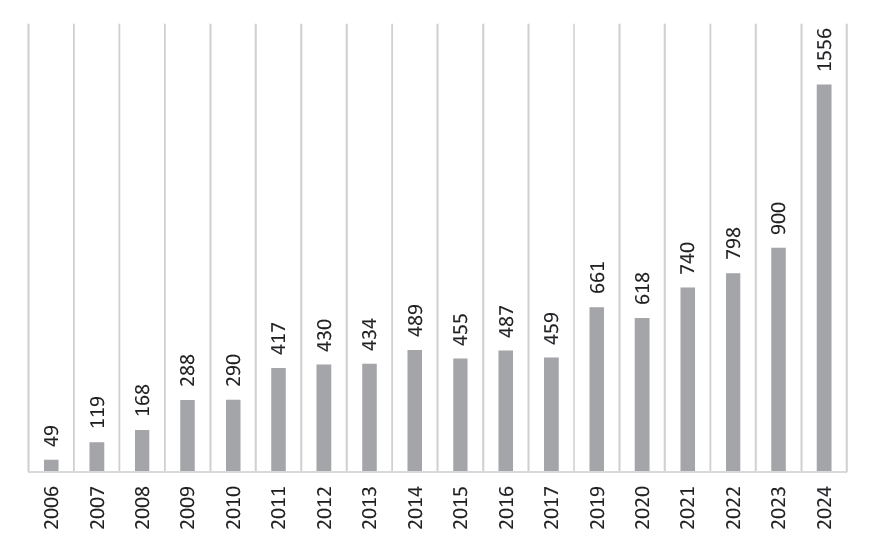
Figure 2. Percentage of requests by organ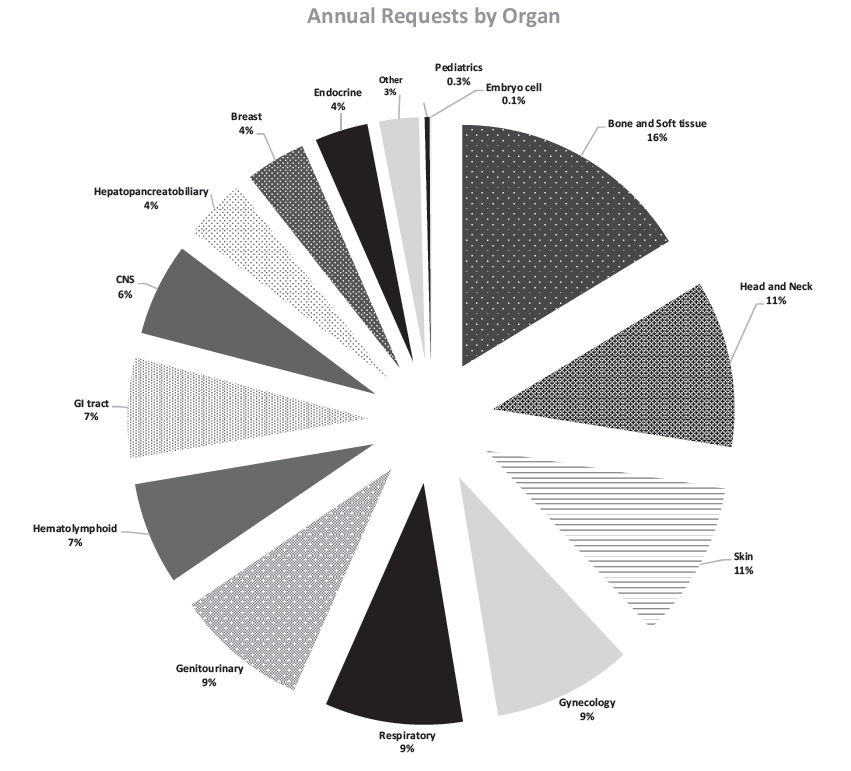
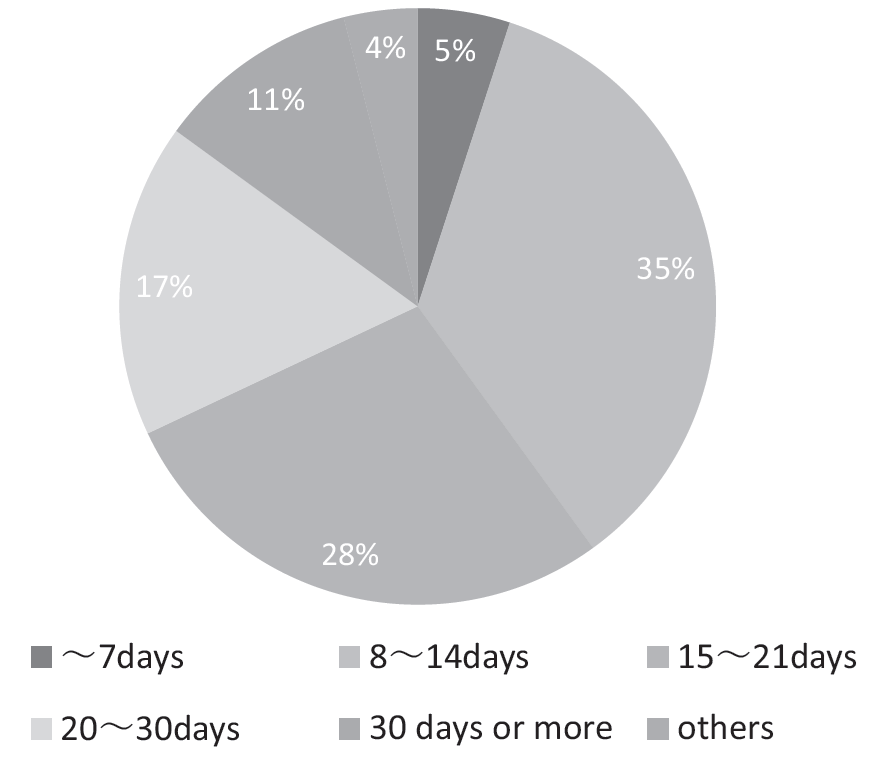
Regarding the number of days from the request date to the delivery of results to the requester—a key quality indicator for consultation services—40% of cases were completed within two weeks, indicating a relatively short turnaround time (Figure 3). A satisfaction survey conducted in March 2025 showed that 94% of respondents were satisfied with the content of the consultants’ diagnostic reports. These findings suggest that the consultation system is effectively meeting the needs of many pathologists who use the service.
- The Rare Cancer Support Section (RCSS) serves as a center of excellence for information on rare cancer care in Japan.
Development of a new rare cancer classification
In collaboration with the Pathological Diagnosis Support Promotion Office and the Department of Public Health and Health Policy at the University of Tokyo, the Rare Cancer Support Section is developing and publishing a new classification system for rare cancers (the NCRC classification), which is distinct from the RARECAREnet classification. This work is tailored to Japan's clinical settings and realities. The paper has been submitted to Pathological International and is currently under review. Furthermore, we plan to update the descriptions of each rare cancer type on the Rare Cancer Centre website in line with the NCRC classification.
Launch of the 'Find Hospitals for Rare Cancers' system
In February 2025, we revised the 'Find Hospitals Specializing in Rare Cancer Information Disclosure' feature on the Cancer Information Service and launched the 'Find Hospitals for Rare Cancers' system (https://gansearch.ncc.go.jp/cmas/index). This system enables rare cancer patients to independently search for treatment facilities nationwide for a wider range of rare cancer types.
Development of a Quality Indicator for patients with rare cancers
We have initiated research on developing and measuring Quality Indicators to evaluate the quality of rare cancer care as a new working group project.
Research Activities
1. Dissemination and Implementation of Regional Palliative Care Coordinators
From 2016 to 2021, a questionnaire survey was conducted via electronic media targeting 207 Designated Cancer Care Hospitals and 24 non-designated hospitals that had participated in the Regional Palliative Care Coordinator Training Program. The results were published in the journal of the Japanese Society for Palliative Medicine.
2. Exploration of Prefectural-Level Clinical Indicators Using Claims Data
Using commercial claims data, an analysis was conducted on the clinical indicators specified in the Fourth Basic Plan for Cancer Control, which are to be measured using NDB data. The findings were published in the Japanese Journal of Clinical Oncology.
3. Interview Survey of Model Facilities in Cancer Chemotherapy Teams
Based on facilities that participated in the Cancer Chemotherapy Team Training Program, interviews were conducted with institutions that had developed prefecture-wide networks for cancer pharmacotherapy following their participation in the program. These facilities were identified as leading regional efforts in cancer drug therapy.
4. Promotion and Support for Pathology Diagnosis
In conjunction with the integration with the Japanese Society of Pathology’s consultation system, an operational guidance session was held for consultants, and instructional videos were also made available. After the integration, individual support was provided as needed to both requesters and consultants via email and phone, promoting the smooth operation of consultation services.
Academia Training
The RCNS provides multidisciplinary training programs for palliative care teams and chemotherapy teams to develop leaders in each prefecture. We also hold training programs for professionals committed to creating a comprehensive network of medical institutions in the region.
As part of the personnel exchange program of the Japanese Association of Clinical Cancer Centers, the National Cancer Center Hospital accepted healthcare professionals from Yamagata Prefectural Central Hospital.
Future Prospects
We continue to play a central role in connecting and supporting Japan’s nationwide cancer care network, contributing to the ongoing enhancement of care quality across the country.
We are committed to systematically gathering the perspectives of Designated Cancer Care Hospitals, patients, and the public in alignment with the Fourth Basic Plan for Cancer Control, and to incorporating these voices into policy development.
We implement targeted training programs to bridge the gap between national policy and clinical practice, equipping healthcare professionals with the competencies needed to integrate policy-driven initiatives into routine care delivery.
In April 2024, our pathology consultation service was integrated with that of the Japanese Society of Pathology, and operations have since stabilized. However, it has become apparent that the existing framework of the pathology consultation system, now over 15 years old, is increasingly unable to meet the needs of users. To address this, we plan to develop a new system aimed at improving overall usability and resolving current issues, with the goal of creating a more user-friendly platform.
List of papers published in 2024
Journal
1. Hosokawa M, Nakazawa Y, Miyashita M, Masukawa K, Sato M, Morita T, Okumura Y, Kizawa Y, Kawagoe S, Yamamoto H, Takeuchi E, Yamazaki R, Ogawa A. The Distress and Benefits of the Bereaved Family Survey: A Mortality Follow-Back Survey. Journal of pain and symptom management, 69:152-164, 2025
2. Yamaguchi J, Sadahiro R, Wada S, Nishikawa E, Terada T, Nakahara R, Matsuoka H. Development of cefepime-induced encephalopathy in a patient with depression and rectal cancer: A case report. Neuropsychopharmacology reports, 45:e12502, 2025
3. Takahashi R, Nakazawa Y, Miyashita M, Wada S, Matsuoka Y. Analysis of medical practices used as indicators in the fourth basic plan for the promotion of cancer control in Japan. Japanese journal of clinical oncology, 55:498-504, 2025
4. Yamaguchi J, Sadahiro R, Hirayama T, Wada S, Nakahara R, Matsuoka H. Severe behavioral and psychological symptoms of dementia successfully treated at home with a blonanserin transdermal patch: A case report. Neuropsychopharmacology reports, 44:474-478, 2024
5. Takahashi R, Nakazawa Y, Miyashita M, Morita T, Okumura Y, Kizawa Y, Kawagoe S, Yamamoto H, Takeuchi E, Yamazaki R, Ogawa A. Enhancing end-of-life care quality and achieving a good death for the elderly in Japan. Archives of gerontology and geriatrics, 124:105471, 2024
6. Nakazawa Y, Miyashita M, Morita T, Okumura Y, Kizawa Y, Kawagoe S, Yamamoto H, Takeuchi E, Yamazaki R, Ogawa A. Dying Patients' Quality of Care for Five Common Causes of Death: A Nationwide Mortality Follow-Back Survey. Journal of palliative medicine, 27:1146-1155, 2024
7. Kako J, Kobayashi M, Matsuda Y, Inoue S, Tanimukai H, Wada S, Hasegawa T. Nonpharmacological Intervention for Delirium in Patients With Cancer: A Scoping Review. Journal of pain and symptom management, 68:e411-e415, 2024
8. Matsuoka H, Takeuchi E, Kato M. Physical symptoms in prolonged grief disorder: a case report. Annals of palliative medicine, 13:1530-1536, 2024
9. Yamaguchi J, Sadahiro R, Wada S, Nishikawa E, Terada T, Nakahara R, Matsuoka H. A case report of benzodiazepine withdrawal delirium due to accidental discontinuation of benzodiazepines in cancer perioperative period. PCN reports : psychiatry and clinical neurosciences, 3:e70026, 2024