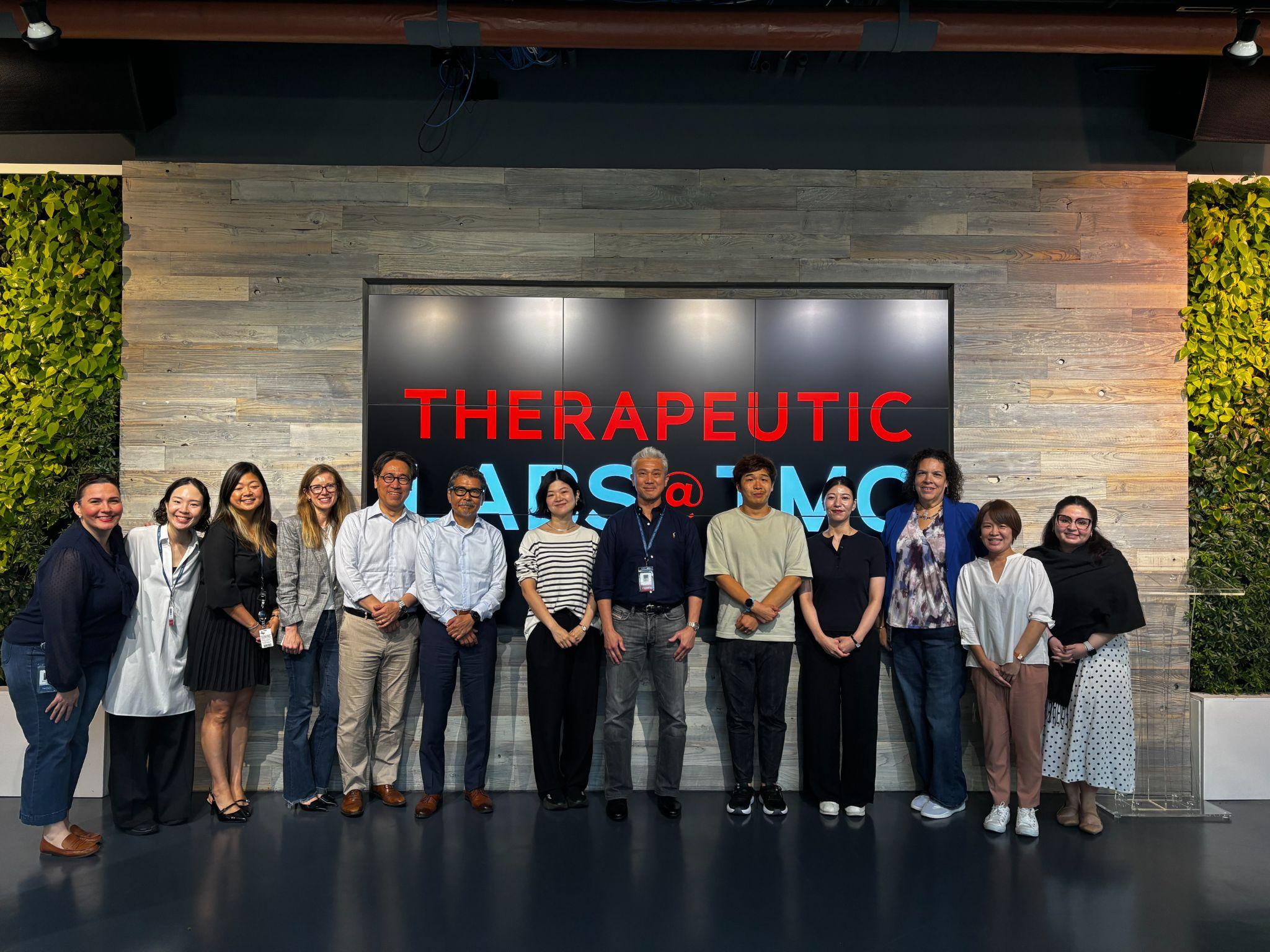
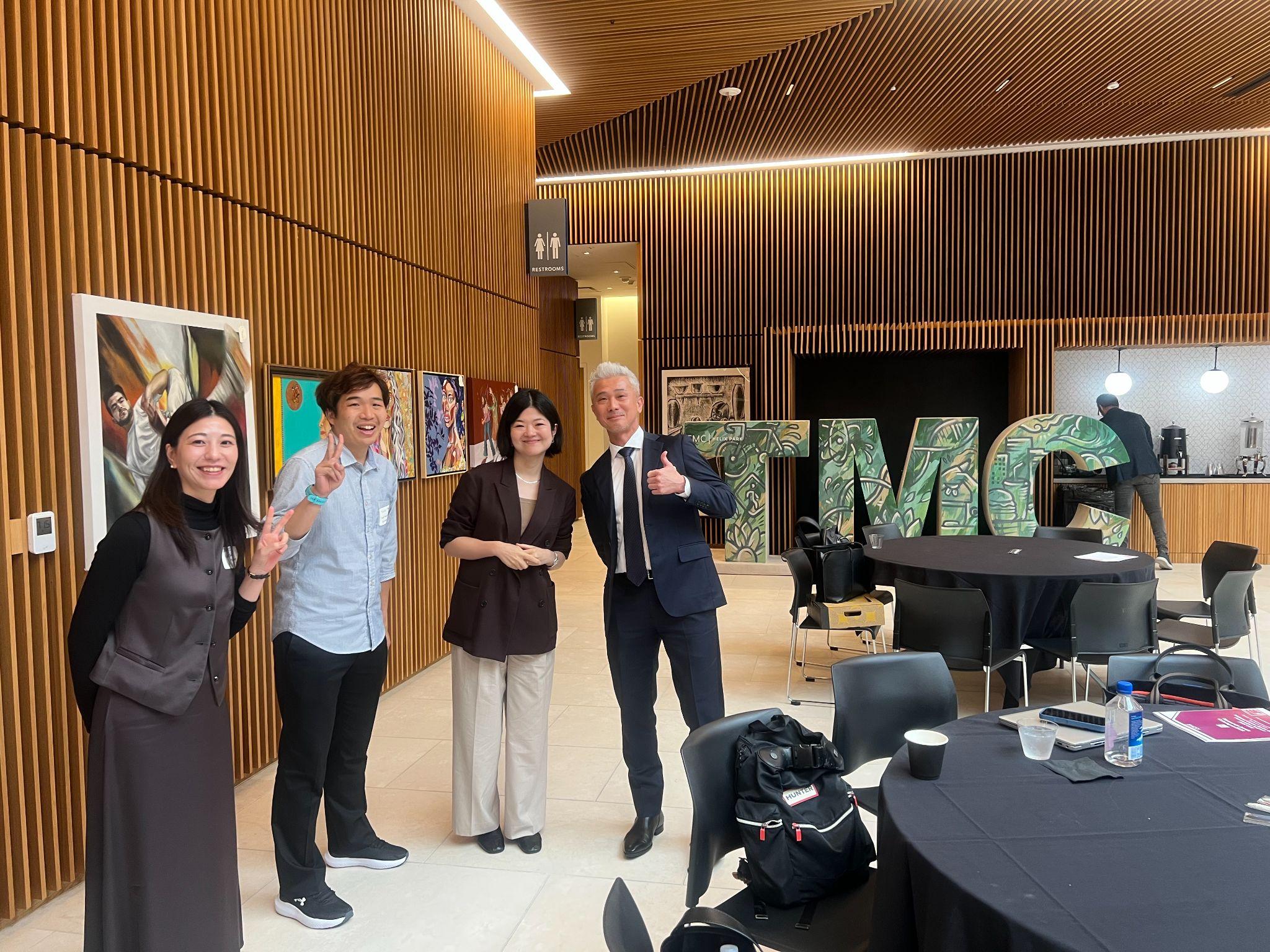
【現地取材レポート】J-ACT(TMC連携プログラム)の米国ヒューストン現地活動の様子が公開されました
2026年10月30日
NCC SAPが推進する「J-ACT」プログラムの現地取材レポートが公開されました。米国ヒューストンでの活動や参加者の挑戦の様子をぜひご覧ください。
柏の葉×ヒューストン連携|J-ACT第1期参加者4名、ヒューストンの「Investor Day」でピッチ登壇 開催レポート Kashiwanoha × Houston Collaboration | Four Participants from the First JACT Cohort Pitch at Investor Day in Houston — Event Report
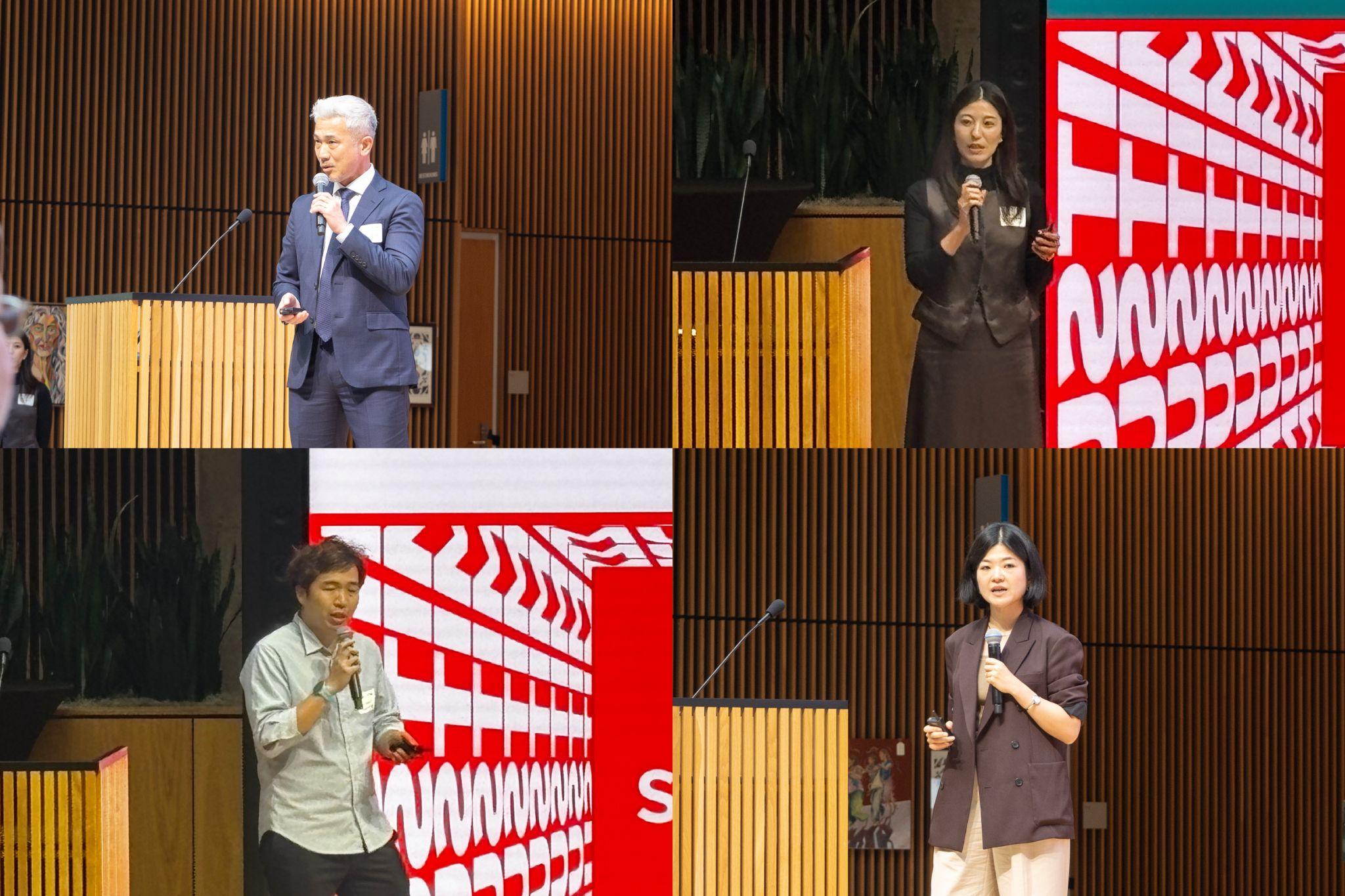
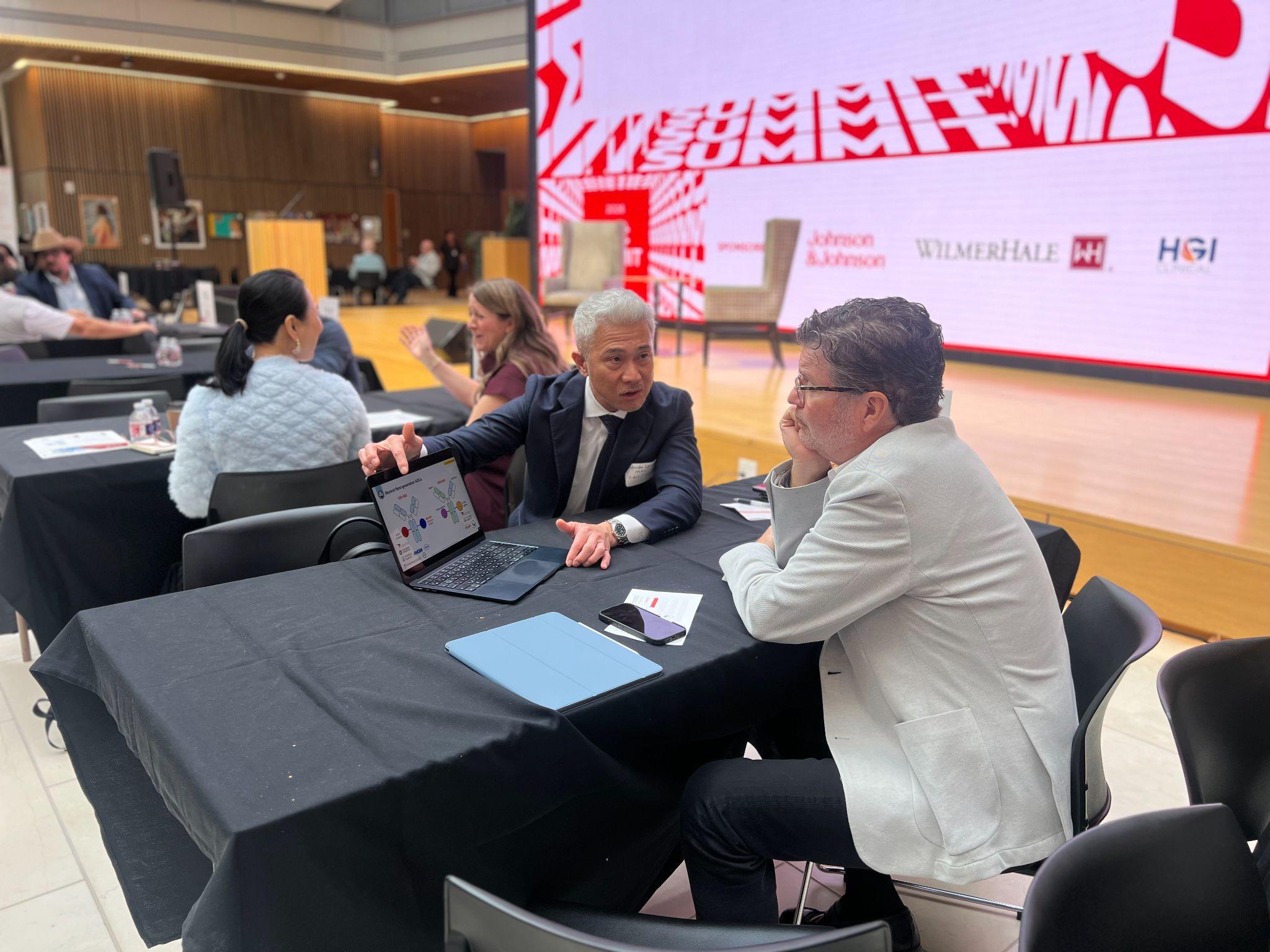
米国ヒューストンで開催された投資家向けイベント「Investor Day」の「Therapeutics Summit」に、Japan Accelerator for Cancer Therapeutics(J-ACT)第1期の参加者4名が登壇しました。J-ACTの最終モジュールとして、約7カ月の学びをもとに、それぞれの研究・技術を起点とした事業構想を投資家の前で発表。大腸がんの難創薬標的に挑む低分子阻害剤、microRNAを腫瘍へ届ける核酸デリバリー技術、抗体を細胞内へ届けるデリバリー技術、「Dark Transcriptome」を活用したがんワクチンの標的探索と、日本で生まれた研究シーズを米国での事業化へつなぐ構想が示されました。
Four participants from the first cohort of the Japan Accelerator for Cancer Therapeutics
(JACT) presented their pitches at the Therapeutics Summit, held as part of Investor Day in Houston,
United States.
As the final module of JACT, the event provided an opportunity for the participants to present
business concepts based on their research and technologies to investors, drawing on approximately
seven months of learning.
Their presentations covered a small-molecule inhibitor designed to promote the degradation of
β-catenin, a difficult-to-drug target in colorectal cancer; a nucleic acid delivery technology for
delivering microRNA to tumors; a technology for delivering antibodies into cells; and the discovery
of cancer vaccine targets using the “Dark Transcriptome.”
Together, the pitches highlighted plans to translate research originating in Japan into businesses
in the United States.
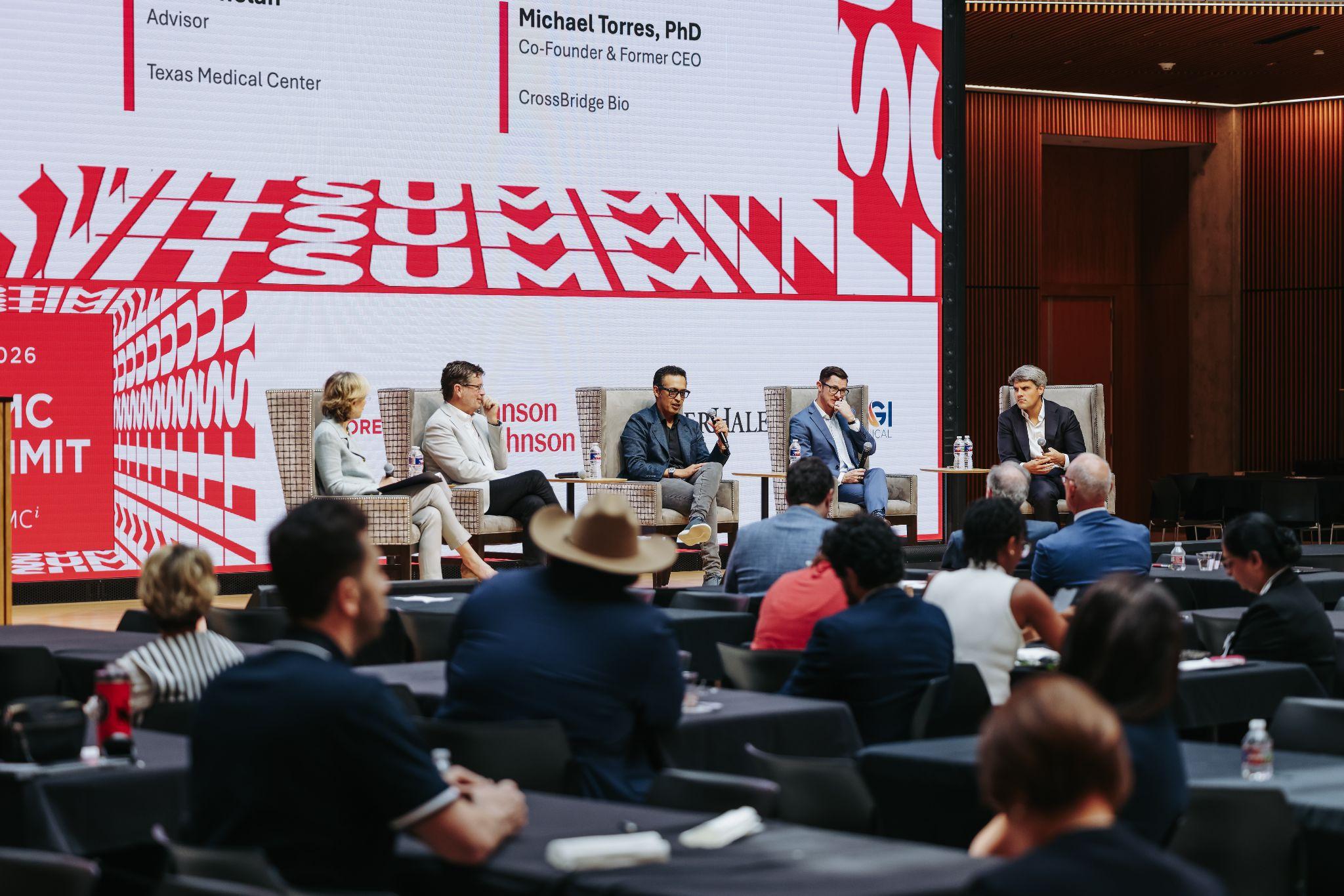
9月30日、米国ヒューストンで開催された「Investor Day」には、30名を超える投資家に加え、日本から8チーム、世界各国から33社のスタートアップが参加しました。その会場で、J-ACT第1期の参加者4名は、それぞれの研究成果を事業としてどのように発展させていくのか、その構想を発表しました。
On September 30, Investor Day was held in Houston, United States, bringing together more than
30 investors, eight teams from Japan, and 33 startups from around the world.
In front of this audience, four participants from the first JACT cohort presented their plans to develop
their research findings into viable businesses.
J-ACTが目指す、日本発の創薬イノベーションの世界展開 JACT: Bringing Japanese Drug Discovery Innovation to the Global Stage
J-ACTは、国立がん研究センター(NCC)、三井不動産、Texas Medical Center(TMC)Innovationの連携により、米国でのがん治療薬開発を目指す日本のアントレプレナーを支援するアクセラレータープログラムです。第1期には、NCCが運営するNCC Seed Acceleration Program(NCC SAP)に採択された11チームの中から、4名が選抜されました。
3月のオンラインセッションに始まり、4月にはヒューストンのTMC Innovation Factoryで2週間の現地プログラムを実施。その後もオンラインで、製造・医薬品開発、事業開発、規制対応・法務、資金調達・成長戦略といったテーマを学んできました。
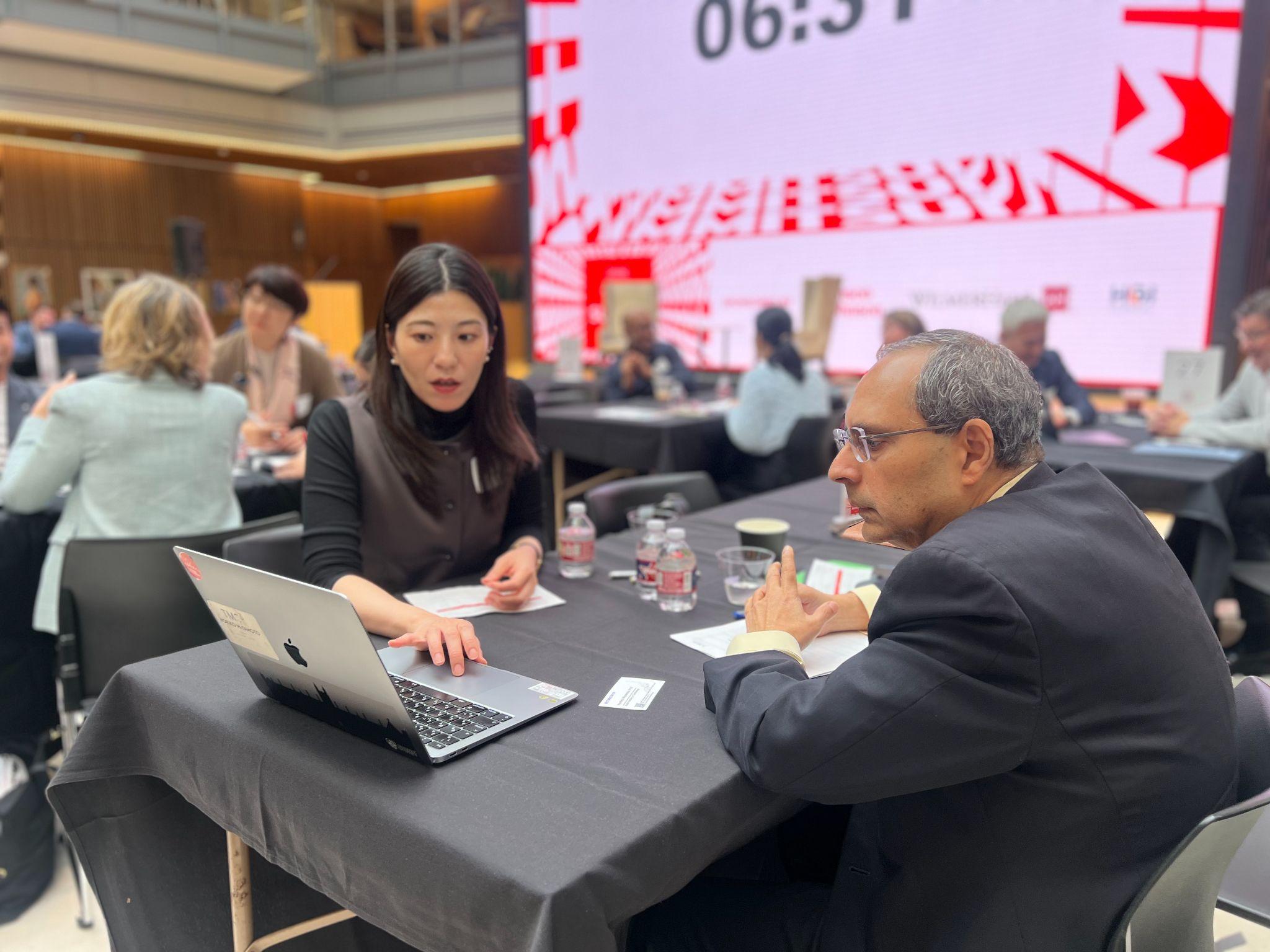
米国の専門家や起業家、投資家との対話を通じて、研究成果を事業化するための課題や戦略を具体化してきた約7カ月。その集大成となったのが、今回の投資家向けピッチです。
JACT is an accelerator program established through collaboration among the National Cancer
Center (NCC), Mitsui Fudosan, and Texas Medical Center (TMC) Innovation to support Japanese
entrepreneurs seeking to develop cancer therapeutics in the United States.
Four participants were selected from 11 teams accepted into the NCC Seed Acceleration Program (NCC SAP),
operated by NCC.
The program began with online sessions in March, followed by a two-week on-site program at the TMC
Innovation Factory in Houston in April. Participants continued their learning through online sessions
covering manufacturing and pharmaceutical development, business development, regulatory and legal
considerations, fundraising, and growth strategies.
Over approximately seven months, discussions with US experts, entrepreneurs, and investors helped
participants identify challenges and refine their strategies for commercializing their research.
The culmination of this process was their investor pitches in Houston.


J-ACT参加者4名のピッチ Pitches from Four JACT Participants
「Undruggable」とされてきたβ-カテニンを分解へ導く
公益財団法人がん研究会 石﨑秀信氏
Promoting the Degradation of β-Catenin, Long Considered
“Undruggable”
Hidenobu Ishizaki | Japanese Foundation for Cancer Research
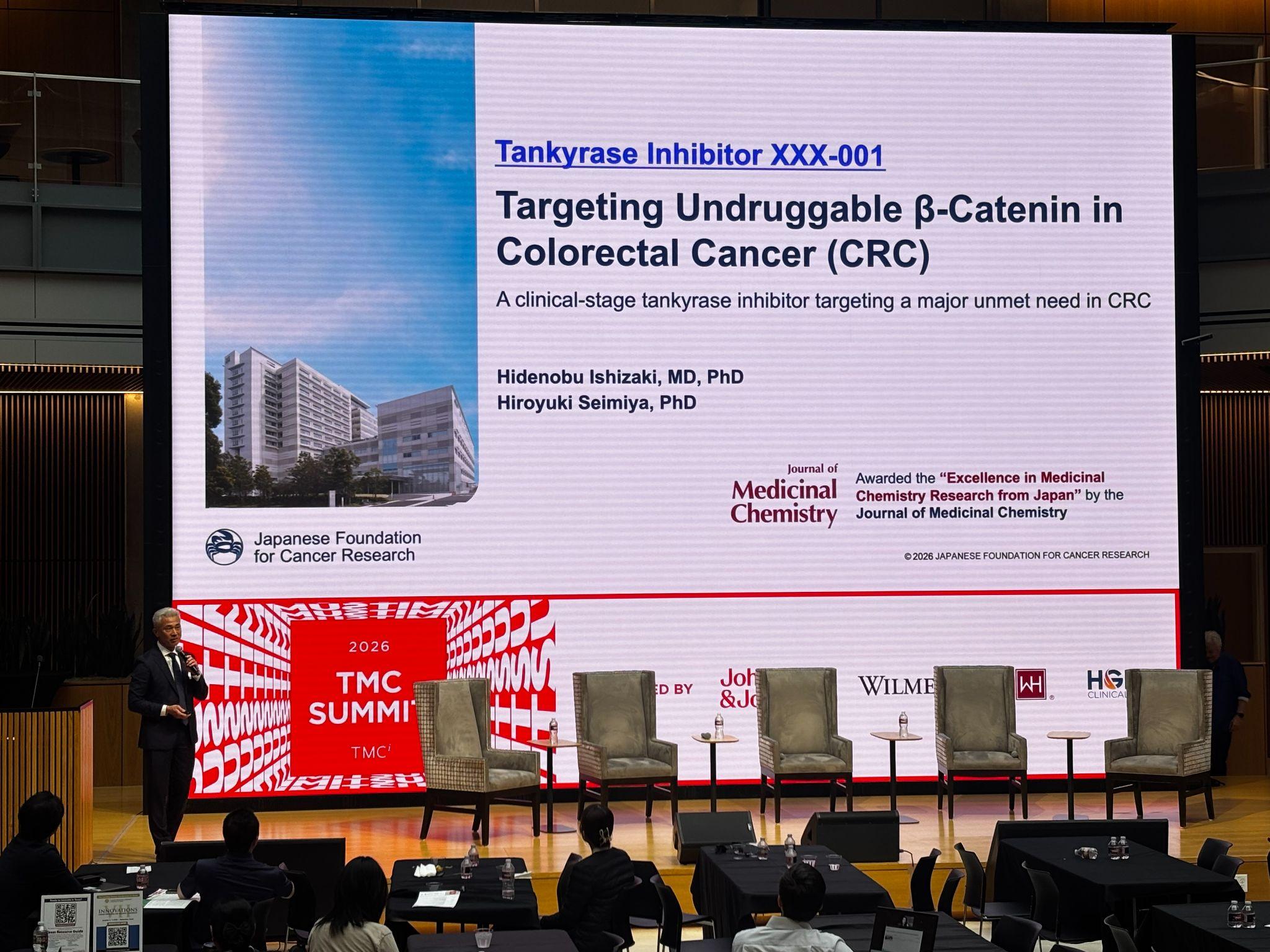
大腸がんの増殖に深く関わるWnt/β-カテニン経路。その中心となるβ-カテニンは、長く創薬が難しい標的とされてきました。石崎氏が発表したのは、β-カテニンを直接狙うのではなく、その制御に関わる酵素タンキラーゼを阻害することで分解へ導く低分子阻害剤「RK-582」です。切除不能進行・再発大腸がんを対象に、清宮啓之氏が率いるがん研究会がん化学療法センターのプロジェクトとして開発が進められています。
RK-582は、すでにFirst-in-Human試験の段階にあります。発表では、治療前後の生検検体におけるβ-カテニンの変化を示す染色画像を紹介し、研究開発の進捗を説明しました。さらに、他の治療との併用や次世代ADCへの展開構想にも触れ、新会社の設立と今後の臨床開発・事業開発に向けた資金調達の方針を示しました。
The Wnt/β-catenin signaling pathway plays a critical role in colorectal cancer growth.
β-Catenin, a central component of this pathway, has long been considered an undruggable
target.
Ishizaki presented RK-582, a small-molecule tankyrase inhibitor that induces β-catenin
degradation by inhibiting tankyrase, an enzyme involved in its regulation, rather than targeting
β-catenin directly.
The compound is being developed as a potential new treatment for unresectable advanced and
recurrent colorectal cancer through a project at the JFCR Cancer Chemotherapy Center, led by
Hiroyuki Seimiya.
RK-582 has already entered a first-in-human (FIH) clinical trial. During his presentation,
Ishizaki shared staining images showing changes in β-catenin in biopsy samples collected before
and after treatment, illustrating the progress of the research and development program.
He also outlined plans to explore combination therapies and next-generation antibody-drug
conjugates (ADCs), along with a strategy to establish a startup and secure funding for further
clinical and business development.
脂質を使わないナノ粒子で、microRNAを腫瘍へ届ける
愛知工業大学 宮本寛子氏
Delivering microRNA to Tumors Using Lipid-Free Nanoparticles
Noriko Miyamoto
| Aichi Institute of Technology
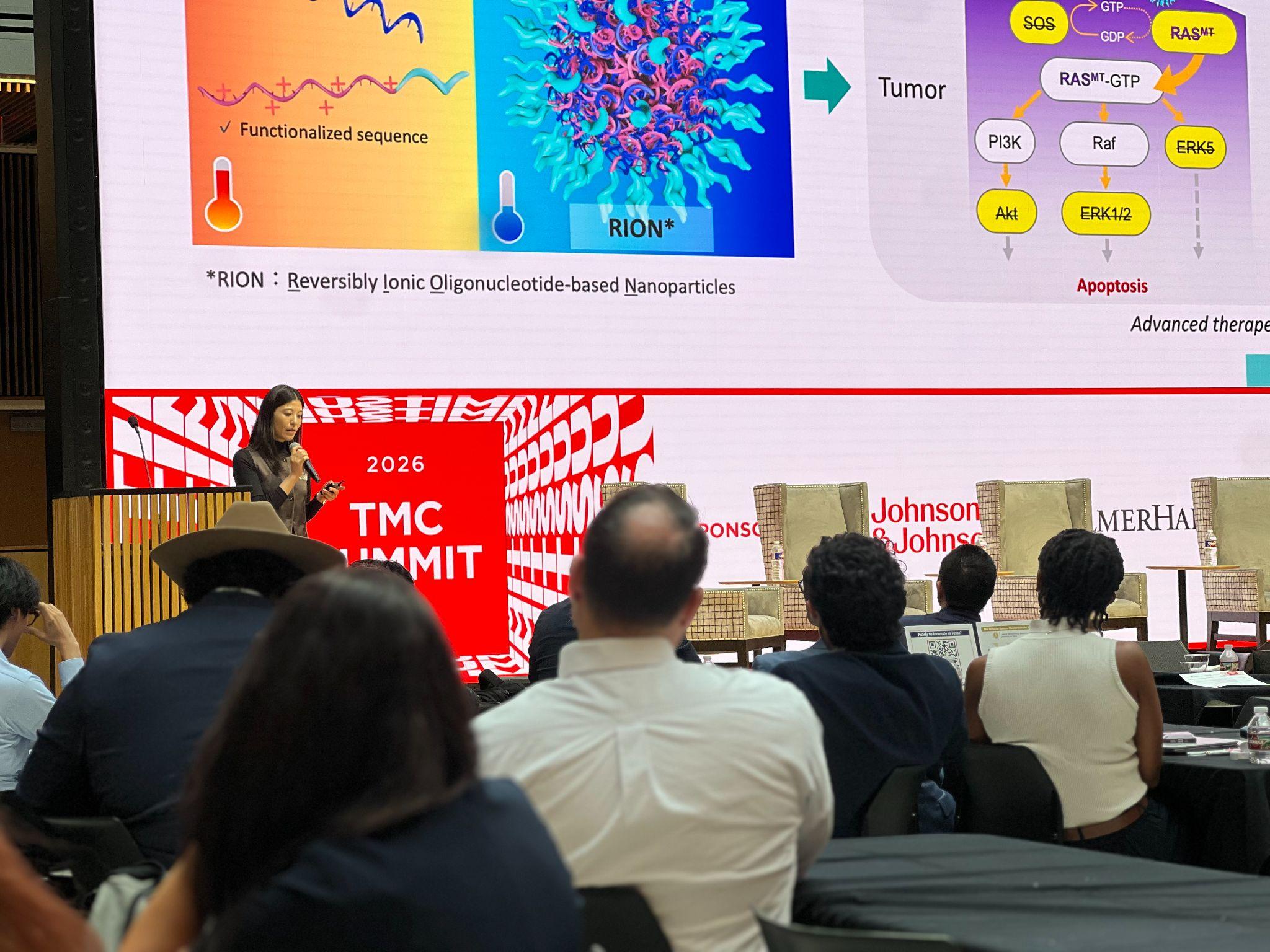
大腸がんの約40%にはKRAS変異が認められますが、その変異を直接標的とする薬剤で治療できる患者さんは一部に限られています。宮本氏が着目したのは、複数のタンパク質やシグナル経路を同時に制御できるmicroRNAです。ただし、核酸医薬の開発では、有効成分を目的の臓器や細胞へ効率よく届ける技術が課題となっています。
そこで宮本氏が開発したのが、脂質を使わず、核酸そのものをナノ粒子化する独自のデリバリー技術「RION」です。従来の脂質ナノ粒子(LNP)で課題となる肝臓への集積を抑え、腫瘍への高い集積性を目指しています。
発表では、RIONを活用してmicroRNAを腫瘍へ届ける研究成果を紹介するとともに、KRAS変異大腸がんを対象とした核酸医薬の開発構想を説明。今後は製造や臨床応用に向けた研究を進め、スタートアップの設立を目指す方針を示しました。
KRAS mutations are found in approximately 40% of colorectal cancers, yet only a subset
of patients with these mutations can currently be treated with drugs that directly target
them.
Miyamoto focused on microRNA, which can simultaneously regulate multiple proteins and signaling
pathways. However, efficiently delivering therapeutic nucleic acids to target organs and cells
remains a major challenge in nucleic acid medicine development.
To address this challenge, Miyamoto developed RION, a proprietary lipid-free drug delivery
system (DDS) technology that forms nanoparticles through the self-assembly of nucleic acids
without using lipids.
Unlike conventional lipid nanoparticles (LNPs), which tend to accumulate in the liver, RION
exhibits low liver accumulation and preferential accumulation in tumors.
Her presentation introduced research findings on delivering microRNA to tumors using RION and
outlined a development strategy for nucleic acid medicines targeting KRAS-mutant colorectal
cancer.
Looking ahead, Miyamoto plans to advance research toward manufacturing and clinical
applications, with the goal of establishing a startup.
抗体を細胞の「内側」へ届ける
東京科学大学 総合研究院 本田雄士氏
Delivering Antibodies Inside Cells
Yuto Honda | Institute of Integrated
Research, Institute of Science Tokyo
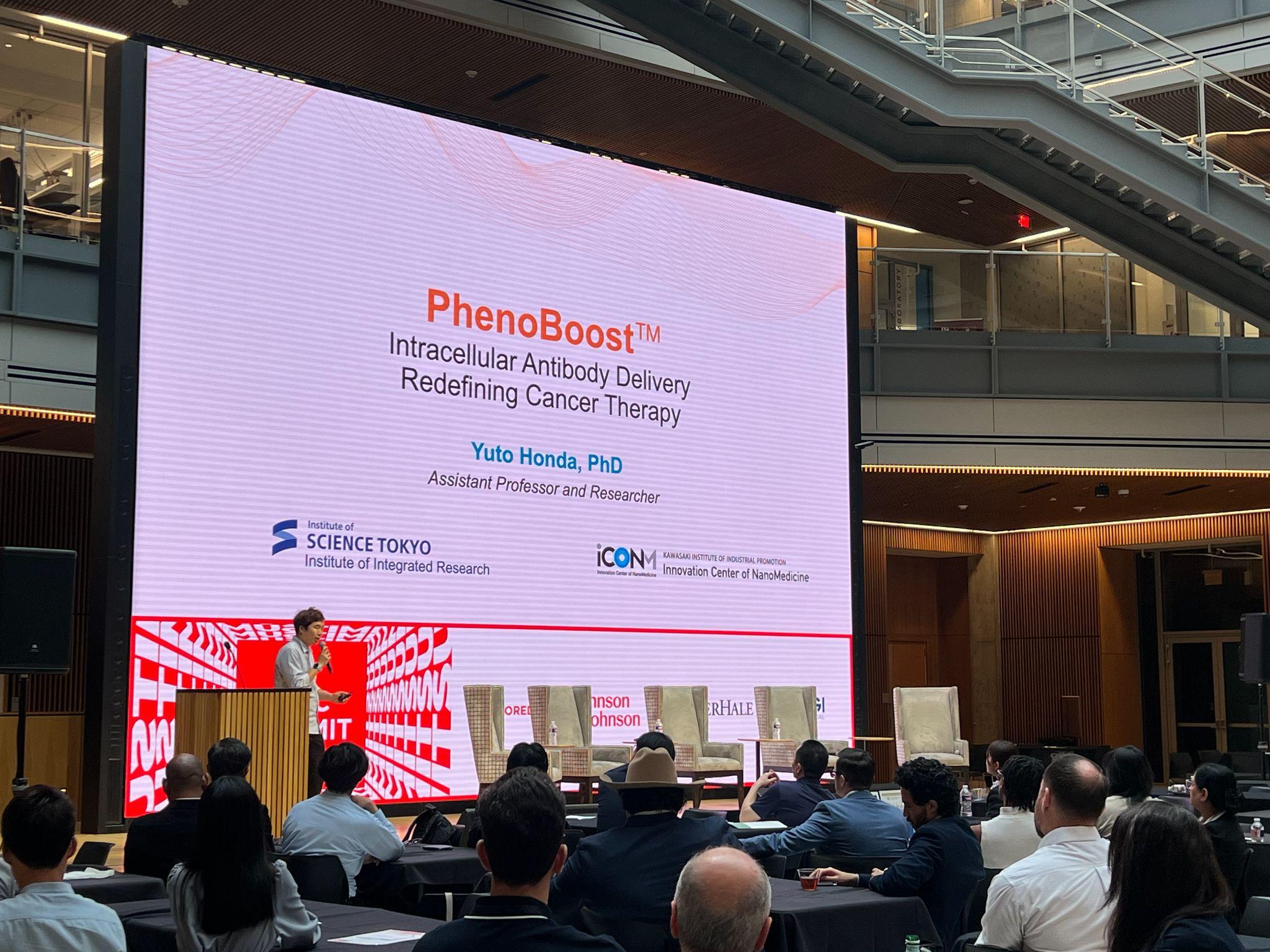
現在の抗体医薬の多くは、がん細胞の表面にある標的に結合して作用します。一方、治療標的として重要な分子の多くは細胞の内側に存在しています。抗体が細胞に取り込まれても、その多くはエンドソームに閉じ込められ、細胞内の標的まで十分に届かないことが課題でした。
本田氏が開発しているのは、抗体をポリフェノール高分子と金属イオンからなるナノ粒子に内包するデリバリー技術です。抗体の細胞内への取り込みとエンドソームからの脱出を促し、これまで標的とすることが難しかった細胞内抗原への送達を可能にします。
発表では、この技術による細胞質への抗体送達や、がんモデルで得られた研究成果を紹介。事業化に向けては、独自の治療薬パイプラインの開発と、製薬企業との共同研究という2つの方向性を提示しました。
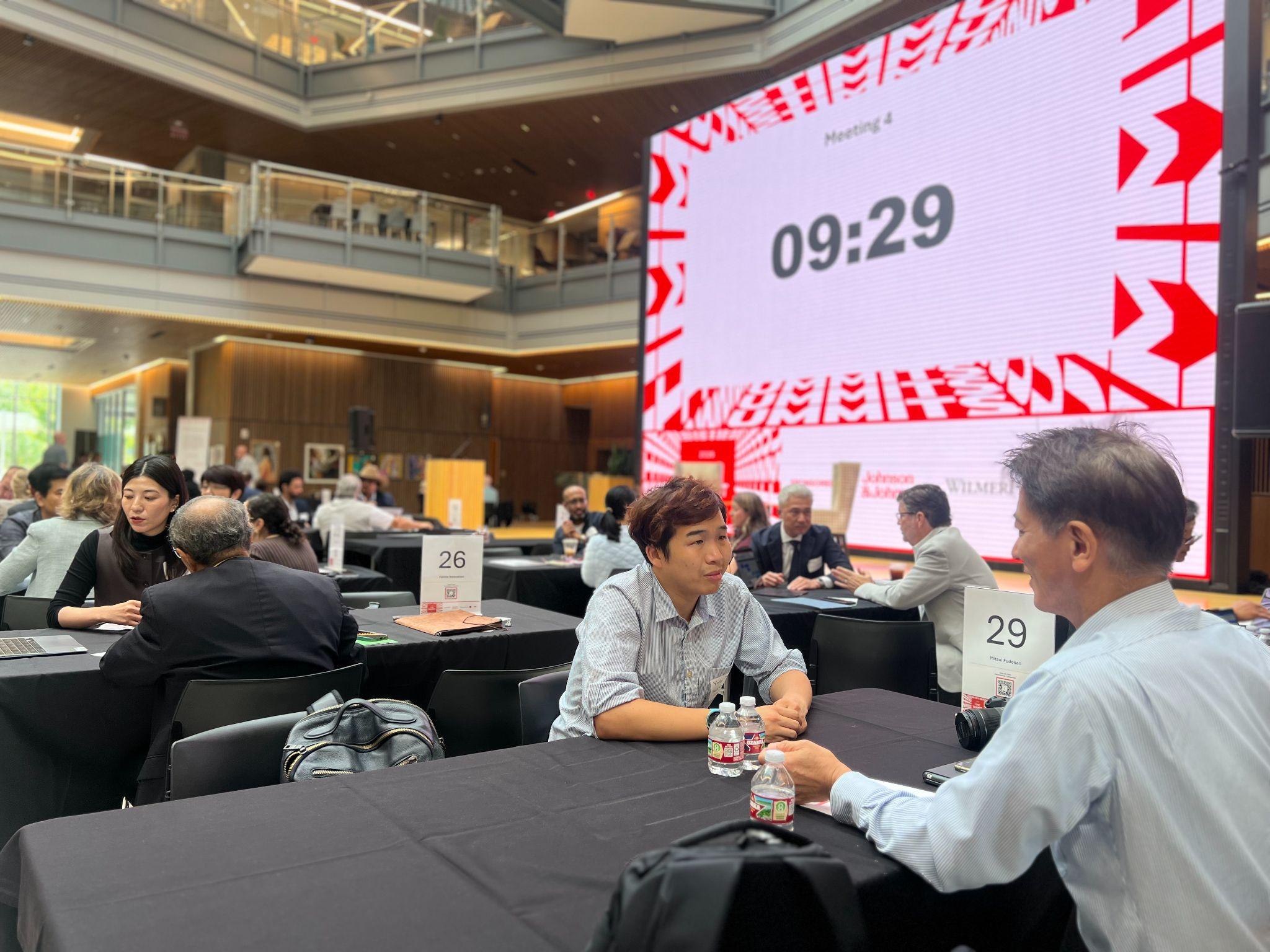
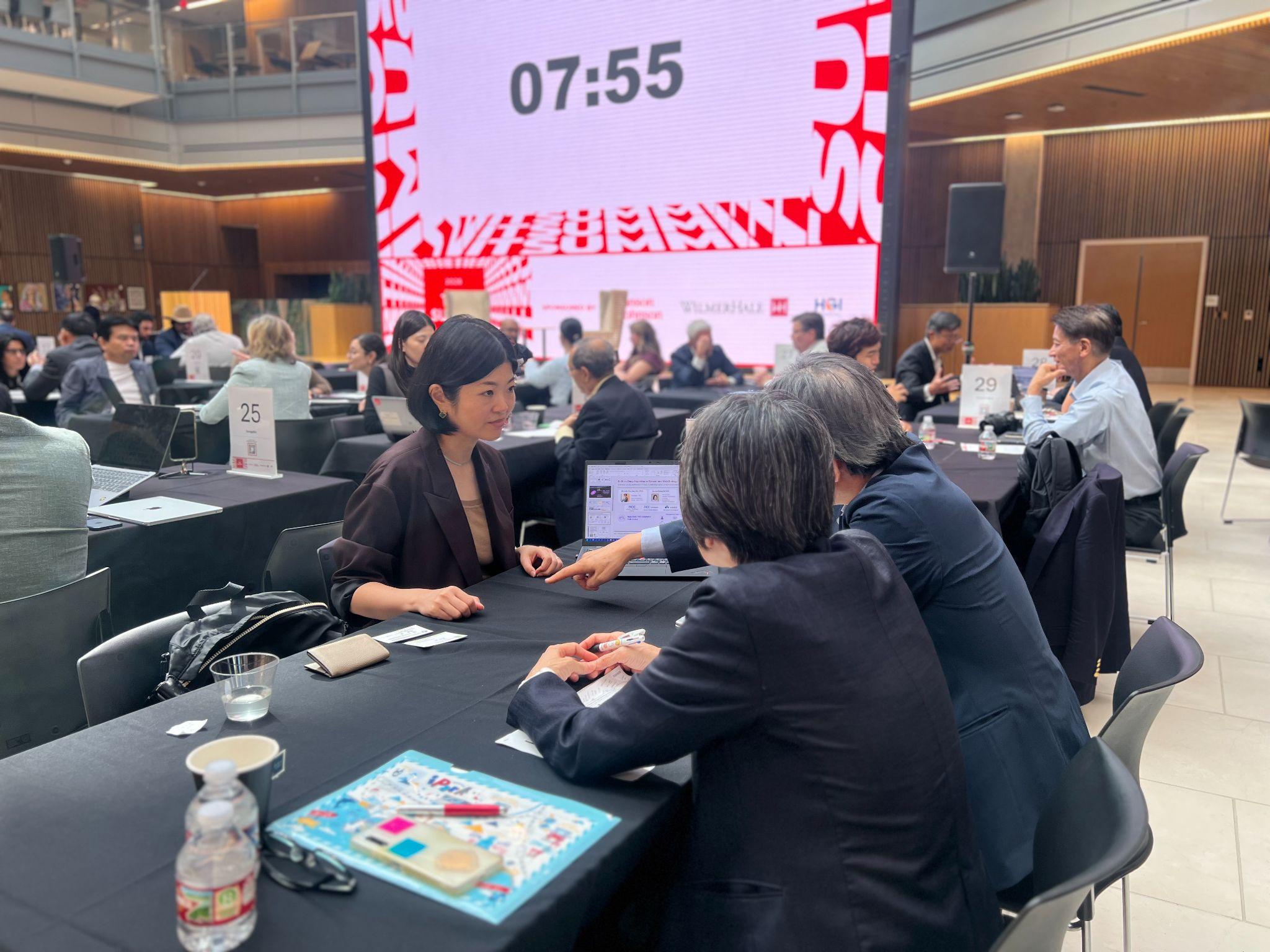
J-ACTへの参加を通じ、本田氏が手応えを得たのが、米国での市場性の検証です。日本では技術に対する反応をつかみにくかった一方、米国での1on1では具体的な質問や専門家の紹介につながり、技術の価値や事業化の可能性への認識が変化したといいます。また、臨床開発へ進む前に検証すべきことや、限られた資金の中で優先すべき研究開発についても、具体的な道筋が見えてきたといいます。
Most antibody therapeutics currently act by binding to targets on the surface of
cancer cells. However, many molecules of therapeutic importance are located inside cells.
Conventional antibodies face poor cellular uptake and often become trapped in endosomes,
preventing them from reaching intracellular targets.
Honda is developing an intracellular antibody delivery technology using drug delivery system
(DDS) nanoparticles made from polyphenol polymers and metal ions.
These polyphenol–metal complex DDS nanoparticles encapsulate antibodies, promote cellular uptake
and endosomal escape, and enable the delivery of antibodies into the cytoplasm. This approach
opens new possibilities for targeting intracellular antigens that have traditionally been
difficult to reach with antibody therapeutics.
His presentation highlighted research findings demonstrating antibody delivery into the
cytoplasm and results obtained in cancer models.
For commercialization, he outlined two potential approaches: developing a proprietary
therapeutic pipeline and pursuing collaborative research with pharmaceutical companies.
Through his participation in JACT, Honda also gained valuable insights into assessing the US
market potential of his technology.
While it had been difficult to gauge responses to the technology in Japan, one-on-one meetings
in the United States led to specific questions and introductions to relevant experts, changing
his understanding of the technology’s value and commercialization potential.
These interactions also helped clarify what needed to be validated before advancing to clinical
development and which research and development activities should take priority given limited
funding.
「何を標的にするか」から、がんワクチンを問い直す
国立がん研究センター 河知あすか氏
Rethinking Cancer Vaccines: Starting with the Question of What to
Target
Asuka Kawachi | National Cancer Center Japan
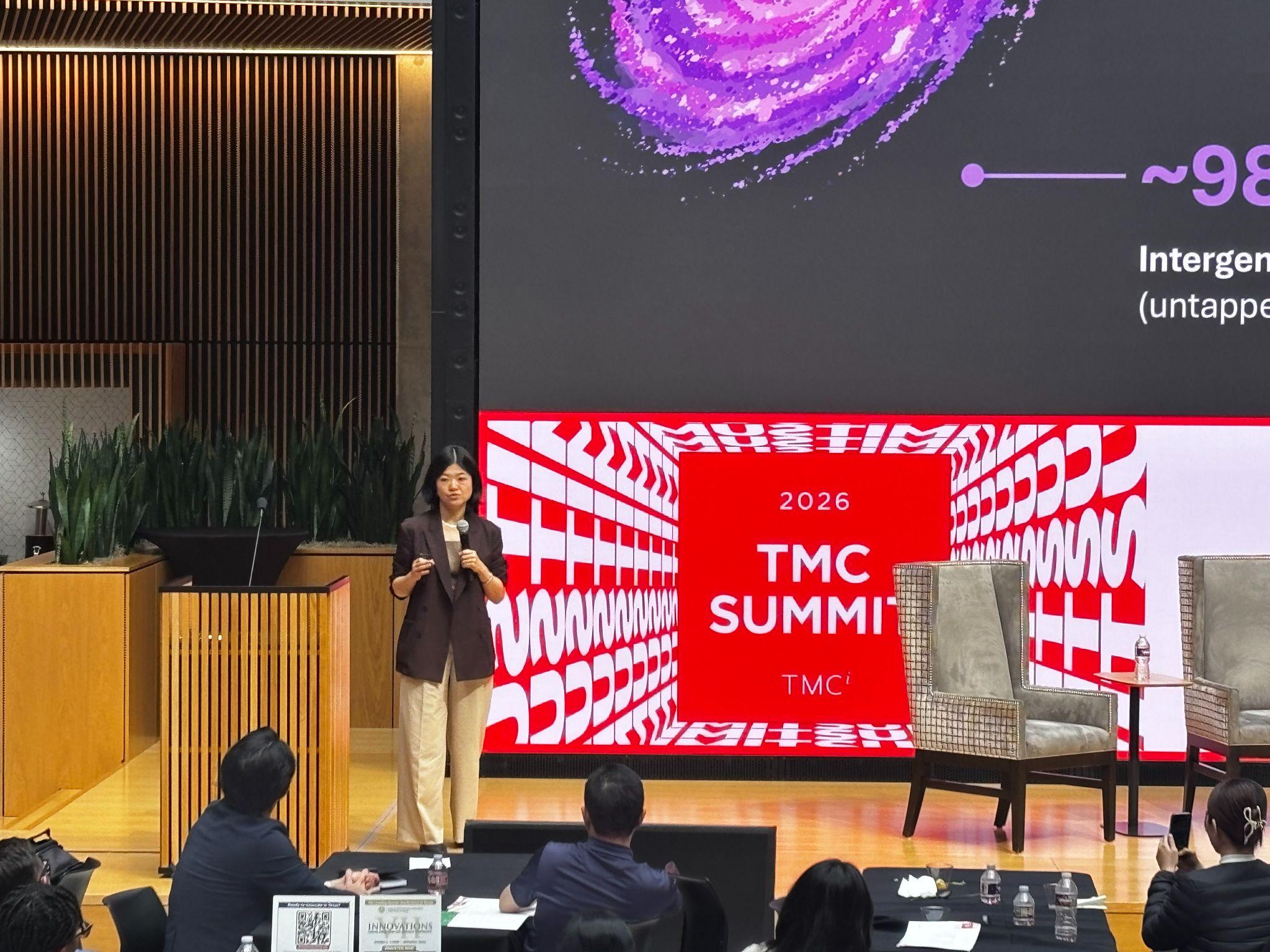
がんワクチン開発では、どのような分子を標的にするかが重要な課題となります。多くの患者さんに共通していること、がんに特異的であること、免疫原性が高いこと。河知氏は、これら3つの条件を満たす標的の探索について発表しました。
その鍵となるのが「Dark Transcriptome」です。従来の解析では十分に捉えられてこなかった転写産物の中から、がん特異的な治療標的を見つけ出そうとする研究です。
吉見昭秀氏が率いる国立がん研究センター研究所 がんRNA研究分野では、ロングリード解析などを活用し、こうした転写産物の探索を進めています。
河知氏は、これらの研究成果をもとに、多くの患者さんに共通するがん標的をスケーラブルに探索する「標的探索エンジン」としてのアプローチを紹介。見いだした標的をmRNAワクチンの開発へとつなげ、さらにスタートアップの設立や米国での臨床開発を目指す構想を発表しました。
Identifying appropriate targets is a critical challenge in cancer vaccine
development.
Kawachi presented research aimed at discovering targets that meet three key criteria: being
shared across multiple cancer types, being cancer-specific, and having high immunogenicity.
Central to this approach is the “Dark Transcriptome.” The research focuses on identifying
cancer-specific therapeutic targets derived from Dark Transcripts (DTs). The Division of Cancer
RNA Research at the National Cancer Center Research Institute, led by Akihide Yoshimi, has
developed a unique analytical pipeline called “DT finder” to identify these targets, using
techniques including long-read sequencing.
Building on these research findings, Kawachi introduced an approach to identifying public
neoantigens shared across multiple cancer types.
She outlined plans to develop mRNA cancer vaccines targeting these shared neoantigens, with the
goal of creating a highly versatile off-the-shelf therapeutic vaccine. She also presented plans
to establish a startup and pursue clinical development in the United States.
研究を、患者さんに届く事業へ From Research to Businesses That Deliver Therapies to Patients
4名がピッチで示したのは、研究成果そのものに加え、それを誰に届け、どのような道筋で事業化していくのかという構想でした。
J-ACTを通じて、研究者たちは米国の専門家や起業家、投資家との対話を重ね、創薬開発の進め方や事業化に必要な視点を学んできました。研究開発の優先順位、資金調達、パートナーシップの構築など、それぞれの課題を具体化したうえで臨んだInvestor Dayでのピッチは、今後の実用化に向けた重要な一歩となりました。
The four pitches presented not only research findings but also business concepts addressing
whom their innovations could benefit and how they could be brought toward commercialization.
Through JACT, the researchers engaged in discussions with US experts, entrepreneurs, and investors,
gaining practical perspectives on drug development and commercialization.
Having clarified their respective challenges—including R&D priorities, fundraising, and partnership
development—their pitches at Investor Day marked an important step toward translating their research
into practical applications.